Understanding Whole House Repiping
What is Whole House Repiping?
Whole house repiping refers to the process of replacing the plumbing system of an entire residential property. This significant undertaking is often necessary when the existing pipes have deteriorated due to age, corrosion, or damage. During repiping, old pipes—regardless of the material—are removed and replaced with new pipes, ensuring a reliable, leak-free water supply throughout the home. Homeowners may seek whole house repiping services St Petersburg FL to improve the overall efficiency and safety of their plumbing systems.
Signs You Need Repiping
There are several indicators that your home may need repiping:
- Frequent Leaks: If you notice recurring pipe leaks, this is a clear sign of aging infrastructure.
- Low Water Pressure: A significant drop in water pressure may indicate blockages or deteriorated pipes.
- Discolored Water: Rusty or discolored water can signal corrosion within your pipes.
- Mold and Mildew: Signs of moisture buildup, such as mold or mildew, could result from leaking pipes.
- High Water Bills: Unexplained increases in your water bills can indicate hidden leaks within your plumbing system.
Benefits of Whole House Repiping
Investing in whole house repiping offers numerous benefits, including:
- Improved Water Quality: New pipes ensure that the water flowing through your home is clean and safe to drink.
- Increased Home Value: A modern plumbing system can enhance the resale value of your property.
- Enhanced Efficiency: Repiping can resolve issues like low water pressure, allowing for better water flow.
- Long-Term Solution: New pipes are less susceptible to leaks and corrosion, providing peace of mind for years to come.
- Reduction in Future Repairs: A proactive approach to plumbing reduces the likelihood of emergency repairs down the line.
Choosing the Right Repiping Material
Comparing Copper and PEX
When repiping, selecting the right materials is crucial. Copper and PEX (cross-linked polyethylene) are popular choices. Copper is known for its durability, longevity, and resistance to corrosion. However, it is generally more expensive and requires soldering for installation. On the other hand, PEX is lightweight, flexible, and resistant to scale and chlorine, making it a cost-effective alternative that can be easier to install in tight spaces.
Benefits of Using CPVC
Chlorinated polyvinyl chloride (CPVC) is another material used for repiping. It is more flexible than traditional PVC and can handle both hot and cold water. The benefits of CPVC include:
- Cost Efficiency: CPVC is typically cheaper than copper, making it a budget-friendly option.
- Corrosion Resistance: CPVC is resistant to corrosion and scaling, enhancing the longevity of your plumbing.
- Easy Installation: Its lightweight nature makes CPVC easier to handle and install.
Evaluating Diaphragm Materials
Diaphragm materials in systems relying on pressure tanks also play a critical role in the effectiveness of repiping. High-quality diaphragms can ensure optimal water pressure and prevent leaks. Evaluating diaphragm materials involves examining factors like elasticity, pressure rating, and resistance to wear and tear. Investing in durable materials can enhance the lifecycle of your plumbing system.
The Repiping Process Explained
Initial Inspection Steps
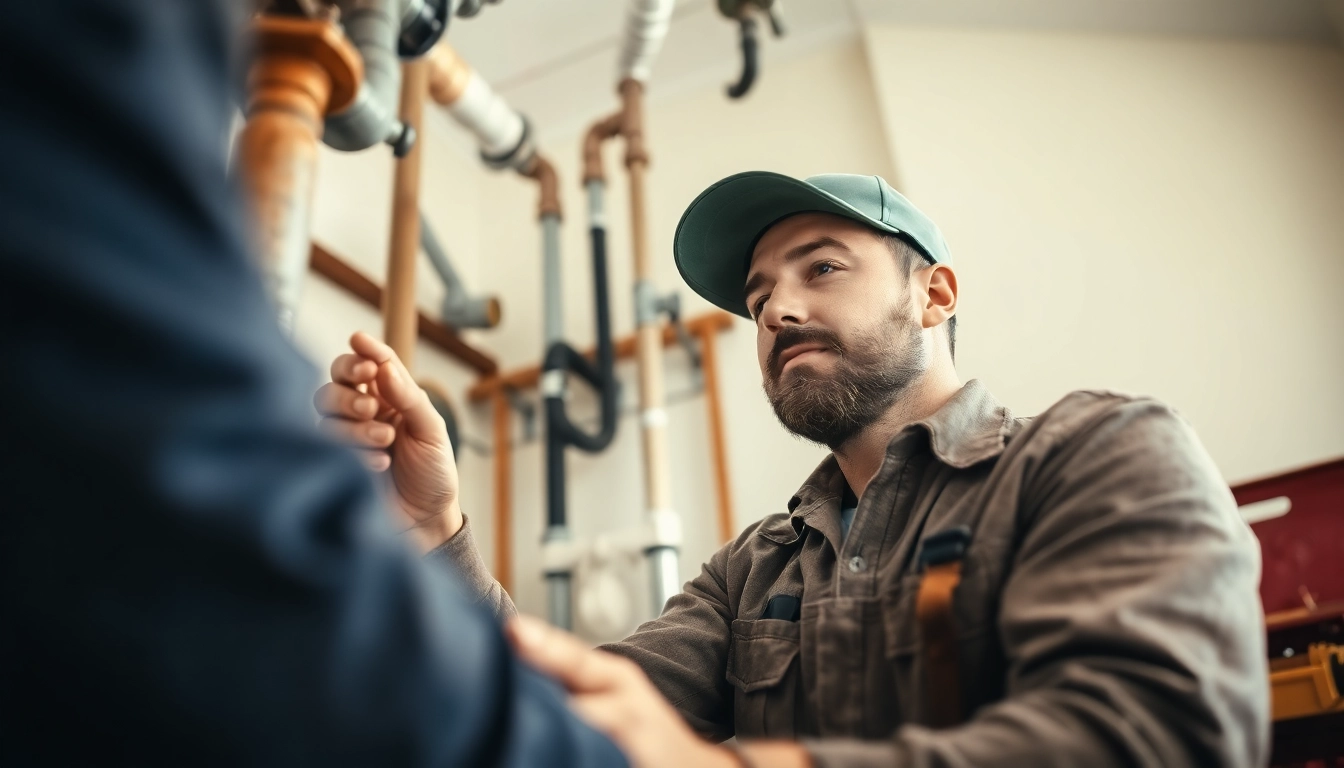
Before the repiping process begins, a thorough inspection is necessary. A licensed plumber will assess the existing plumbing system, identifying areas of concern and determining the best course of action. This inspection includes checking for leaks, evaluating the materials used, and understanding the layout of the current plumbing.
Planning and Preparation
The planning phase involves creating a detailed strategy for the repiping process. This may include selecting materials, scheduling work to minimize disruption, and outlining any structural modifications required. Homeowners should also ensure that utility locates are completed, preventing damage to buried connections during repiping.
Executing the Repiping
The actual execution of repiping involves removing old pipes and installing new ones. Depending on the home’s layout, this may require accessing walls, ceilings, or floors. A qualified team will ensure each section is carefully replaced and pressure-tested to verify that there are no leaks. Finally, all areas impacted by the work will be restored, making your home feel complete again.
Cost Considerations for Repiping
Average Costs for Repiping in St Petersburg FL
The cost of whole house repiping in St Petersburg FL typically ranges from $8,000 to $15,000, depending on the size of the home and the materials used. The average homeowners should anticipate costs based on square footage and any necessary structural alterations that may arise during the project.
Factors Affecting Costs
Several factors can influence the total cost of a repiping project:
- Home Size: Larger homes will require more materials and labor, increasing the total cost.
- Material Choice: Copper pipes may cost more than PEX or CPVC, impacting the overall budget.
- Access to Plumbing: Difficulty in accessing pipes may lead to additional labor costs.
- Tax and Permit Requirements: Local regulations may necessitate permits, which can add to project costs.
Financing Options Available
Homeowners facing the financial burden of a repiping project can explore several financing options. Many plumbing companies offer payment plans or financing assistance, which can spread out the cost over time. Alternatively, homeowners might consider personal loans or credit options to manage expenses effectively. Investigating local government programs aimed at home improvement could also yield valuable support.
FAQs About Whole House Repiping Services
How long does a repiping project take?
The duration of a repiping project can vary but generally takes between one to three days, depending on the size of the home and complexity of the plumbing system.
Is repiping covered by insurance?
In many cases, homeowners’ insurance may cover part of the repiping costs, especially if the need for repiping is due to plumbing failure or damage. It’s essential to check your policy details.
Can I stay in my home during repiping?
Often, you can stay during repiping, but some areas may be temporarily inaccessible. Your plumber will provide guidance on what to expect during the process.
What should I do before repiping starts?
Before repiping, clear the areas around fixtures and plumbing access points. This ensures that the work can proceed smoothly and without unnecessary delays.
How do I maintain my new pipes?
Maintaining your new pipes involves regular inspections, addressing leaks promptly, and avoiding flushing inappropriate items down toilets or drains. Periodic professional checks can prolong their lifespan.