- Why Consider a House Extension?
- Planning Your House Extension
- The House Extension Construction Process
- Key Features to Include in Your Extension
- Choosing the Right Builder
- Cost Breakdown of House Extensions
- Benefits of a House Extension
- Tips for a Smooth House Extension
- The Construction Stages
- Conclusion
Why Consider a House Extension?
Extending your home is a significant decision that can transform your living space, enhance your lifestyle, and even increase the value of your property. With the growing demand for housing in urban areas, especially in Melbourne, many homeowners are opting for house extensions as a practical solution to their space needs. A well-planned extension can accommodate a growing family, provide room for a home office, or create a multifunctional area for entertainment and relaxation. When exploring options, house extension construction provides comprehensive insights into how to effectively expand your home’s footprint.
Enhancing Your Living Space
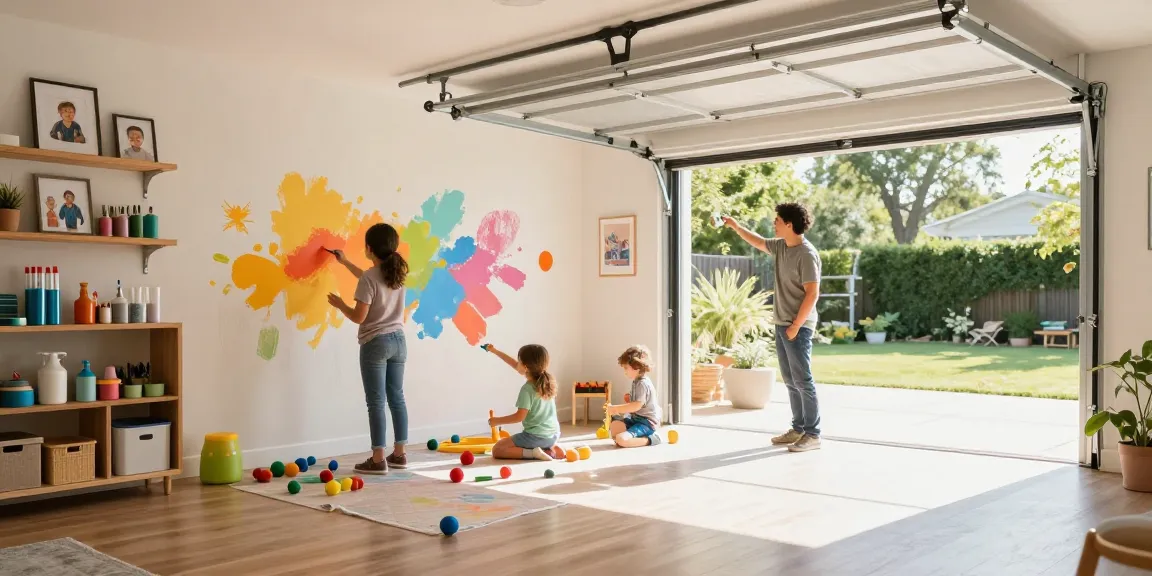
One of the primary reasons homeowners consider a house extension is to enhance their living space. As families grow and lifestyles change, the need for additional rooms becomes imperative. Whether it’s creating an extra bedroom for a newborn, adding a playroom for your children, or developing a multifunctional space for hobbies, a house extension allows you to tailor your home to better suit your needs.
Increasing Property Value
Investing in a house extension can significantly increase the value of your property. Real estate experts suggest that well-executed extensions often yield a return on investment (ROI) of up to 75% or more, depending on the scope and quality of the work. Buyers are often attracted to homes that offer more living space without the need for relocation, making an extension a strategic way to boost your property’s marketability.
Design Flexibility and Personalization
House extensions provide an opportunity for homeowners to incorporate their style and preferences into their living space. Unlike the limitations of buying a new home, an extension allows you to modify existing layouts while adding personal touches that reflect your taste. This can include anything from modern open-plan designs to cozy, intimate spaces.
Planning Your House Extension
Effective planning is crucial for a successful house extension project. Before you begin, it’s essential to define your needs, establish a budget, and navigate local building regulations. Understanding these factors will enable you to approach your project with clarity and purpose.
Defining Your Needs and Priorities
Begin by assessing your family’s current and future needs. Determine how much additional space you require and whether you prefer to extend upwards, outwards, or both. Consider lifestyle factors, such as the need for an open-plan living area for social gatherings or separate rooms for privacy. Discuss your ideas with family members to ensure that everyone’s needs are met.
Setting a Realistic Budget
Establishing a budget for your extension is critical. House extensions can vary widely in cost, influenced by factors such as size, materials, and design complexity. Engage with a qualified builder to get an accurate estimate, which should include the cost of materials, labor, and any unexpected expenses that may arise during construction.
Navigating Local Building Regulations
Every city has specific regulations governing house extensions. In Melbourne, you may need to apply for permits to ensure that your extension complies with local building codes and zoning laws. Familiarize yourself with these requirements to avoid potential legal headaches later in the project.
The House Extension Construction Process
Once you’ve completed your planning, the construction process can begin. This involves several key stages, each requiring careful execution and attention to detail to ensure a successful outcome.
From Initial Consultation to Design
The first step in the construction process is an initial consultation with your builder. During this stage, you will discuss your vision for the extension, review designs, and refine the details until a final plan is agreed upon. Your builder will take measurements, assess the site, and discuss the materials that best suit your project.
Site Preparation and Foundation Work
Before any building begins, the site must be prepared. This may involve clearing the existing area, removing old structures, and preparing the foundation. Proper groundwork is essential for the long-term stability and integrity of the new structure.
Framing and Structural Integrity
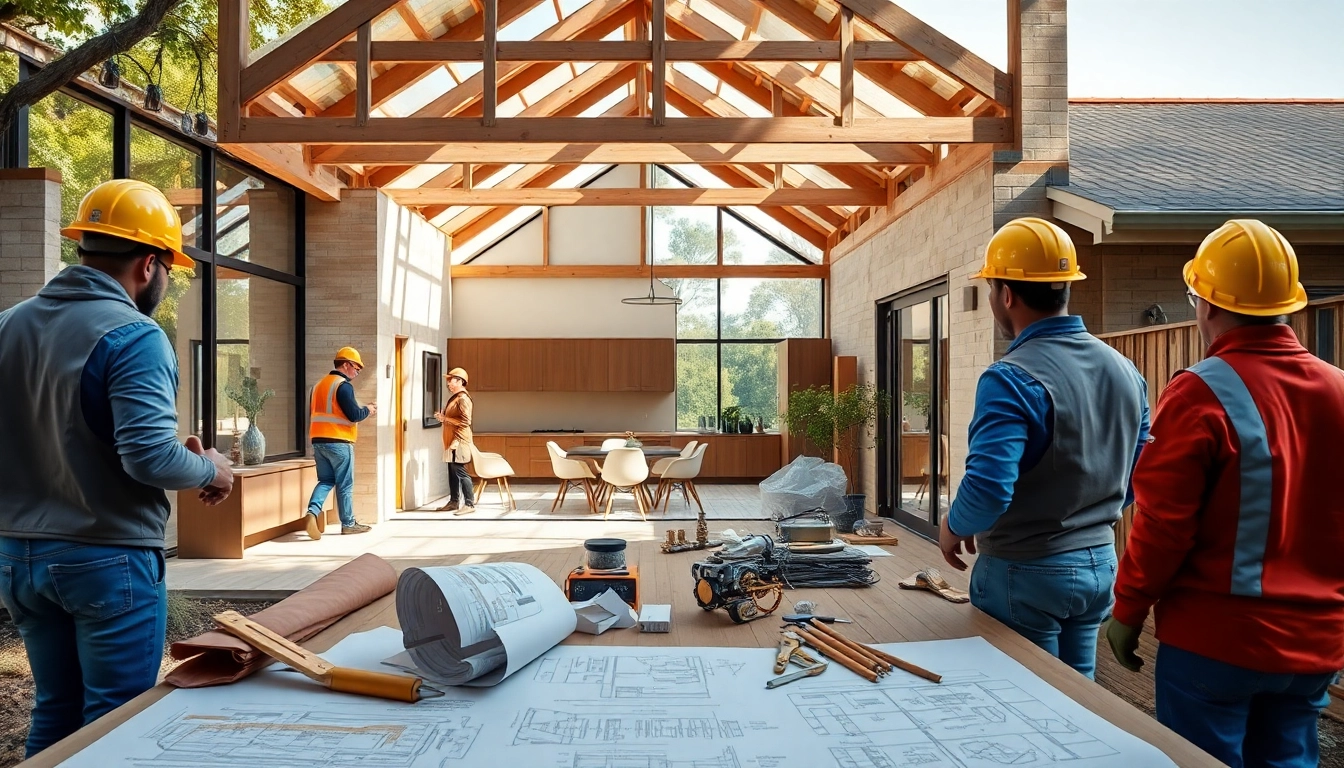
Once the foundation is set, framing starts. This involves constructing the walls, roofing, and other structural components to ensure your extension integrates seamlessly with your existing home. It is crucial to adhere to safety and building standards during this phase to ensure durability.
Key Features to Include in Your Extension
When designing your house extension, it’s important to incorporate features that enhance both style and functionality. Here are some ideas to consider.
Innovative Open-Plan Living Areas
Open-plan layouts are increasingly popular for contemporary living. They create spacious and inviting areas for families to interact while also making small spaces feel larger. Consider incorporating large windows or sliding doors to enhance natural light and provide a seamless transition between indoor and outdoor spaces.
Custom Kitchen and Bathroom Designs
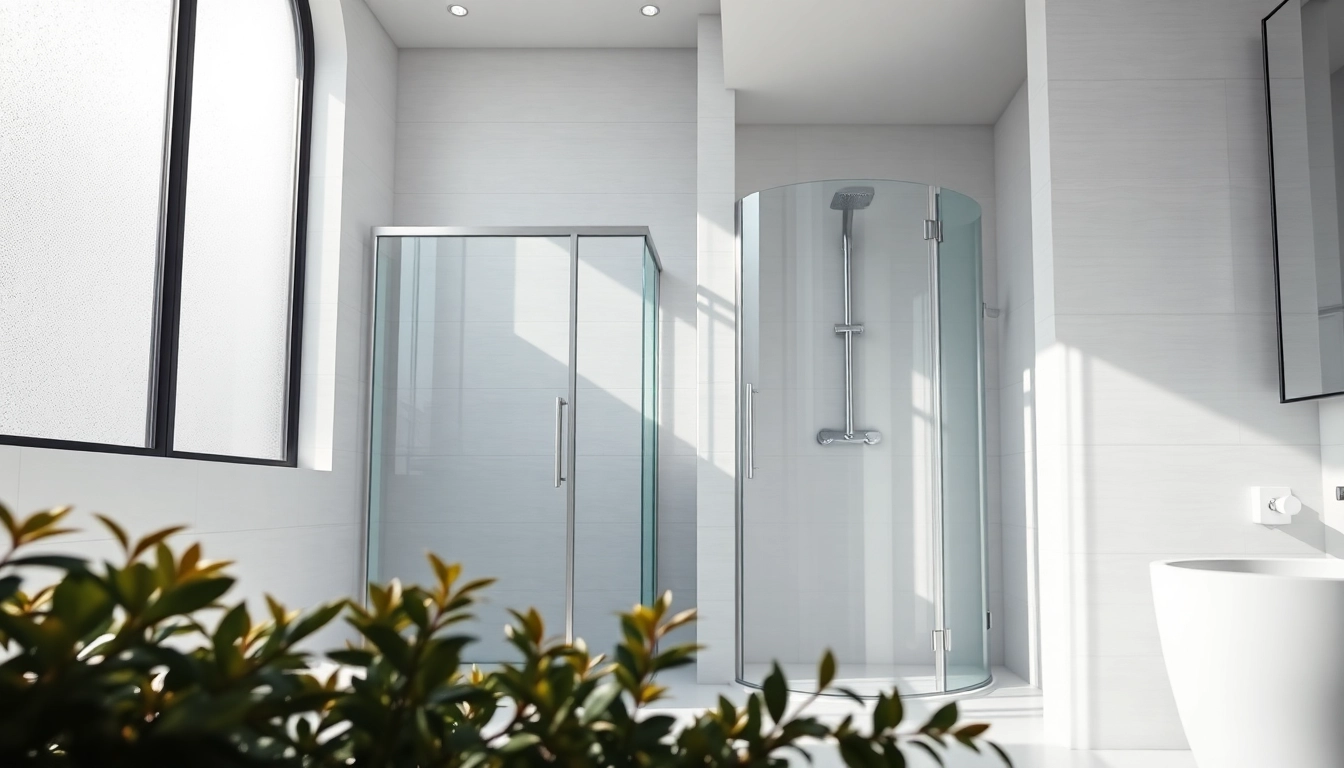
The kitchen is often the heart of the home. When extending, think about your cooking and entertaining habits. Custom kitchen designs that include functional islands, smart storage solutions, and modern appliances can elevate the usability of the space. Similarly, consider luxury bathrooms with walk-in showers and high-end fixtures to add a touch of comfort and style.
Sustainable Features for Energy Efficiency
Incorporating sustainable features into your extension can reduce your carbon footprint and lower utility bills. Features such as energy-efficient windows, quality insulation, solar panels, and rainwater harvesting systems can make your home more environmentally friendly and cost-effective.
Choosing the Right Builder
Selecting a reliable builder is crucial to the success of your house extension project. A competent builder will guide you through the process and help you avoid common pitfalls.
Evaluating Builder Qualifications and Experience
Look for builders with experience in house extension projects. Check their qualifications, reviews, and previous work to ensure they have a solid track record. It’s also beneficial to ask for references and speak to past clients about their experiences.
Understanding Cost Breakdown for Extensions
Discuss the cost breakdown with your builder early in the project. A good builder will provide a comprehensive estimate that outlines all expenses, including materials, labor, and contingencies. This transparency will help you prioritize features while staying within your budget.
Ensuring Clear Communication and Trust
A successful construction project hinges on effective communication. Ensure that your builder is approachable and open to discussing any concerns that arise throughout the construction process. Building trust with your contractor can lead to a smoother experience and better end results.
Cost Breakdown of House Extensions
The cost of a house extension can vary significantly based on numerous factors such as size, location, and materials used. Understanding the financial implications will help you budget effectively.
Here is a general overview of what to expect:
- Basic Extensions: Typically range between AUD 1,500 to AUD 3,000 per square meter for standard designs.
- Luxury Extensions: High-end projects with custom designs may cost upwards of AUD 3,000 to AUD 5,000 per square meter.
- Kitchen and Bathroom Renovations: These specialized areas can add an additional AUD 10,000 to AUD 50,000 to your overall extension cost, depending on the level of finish and appliance selection.
Benefits of a House Extension
Opting for a house extension comes with several advantages, including:
- Increased Living Space: More room for family, activities, and storage.
- Improved Home Functionality: A space designed for your specific needs enhances comfort and utility.
- Enhanced Aesthetic Appeal: An extension can significantly improve the look and feel of your home.
- Financial Investment: Potential for increased property value and equity.
Tips for a Smooth House Extension
To ensure that your house extension project is as seamless as possible, consider these practical tips:
- Define Your Needs: Clearly outline what you want from the extension to communicate effectively with your builder.
- Set a Budget: Determine a realistic budget and stick to it, allowing for some flexibility to cover unexpected costs.
- Get Permits and Approvals: Ensure that all necessary permissions are obtained before commencing work to avoid legal issues.
- Hire a Reliable Builder: Choose a builder with a proven track record in house extensions who communicates well and understands your vision.
The Construction Stages
Understanding the stages of construction will help you stay informed and engaged throughout the process.
Initial Consultation and Design
The construction journey begins with a thorough consultation where your ideas are transformed into a concrete plan. This involves discussing design elements, layout, and materials.
Site Preparation
Once the design is finalized, site preparation involves clearing the area and laying the foundation for the extension. This stage is critical for ensuring the structural integrity of the new addition.
Framing and Structural Work
During this phase, the framework of the extension is constructed. This includes the installation of walls, ceilings, and roofs, which forms the skeleton of your new space.
Electrical and Plumbing Installation
After the framing is complete, essential systems such as plumbing and electrical work are installed. This step is vital, especially for kitchens and bathrooms.
Internal Finishing
The final stage involves internal finishing touches such as painting, flooring, and fixture installation. This is where your vision truly begins to take shape.
Conclusion
In summary, house extension construction is a valuable investment that can enhance your living environment while increasing your home’s value. With careful planning, a trusted builder, and proper execution, your house extension can transform your property into the ideal space for you and your family. Start envisioning your dream space today, and take the first step towards your home transformation!