1. Understanding the Island Light Fixture
1.1 What is an island light fixture?
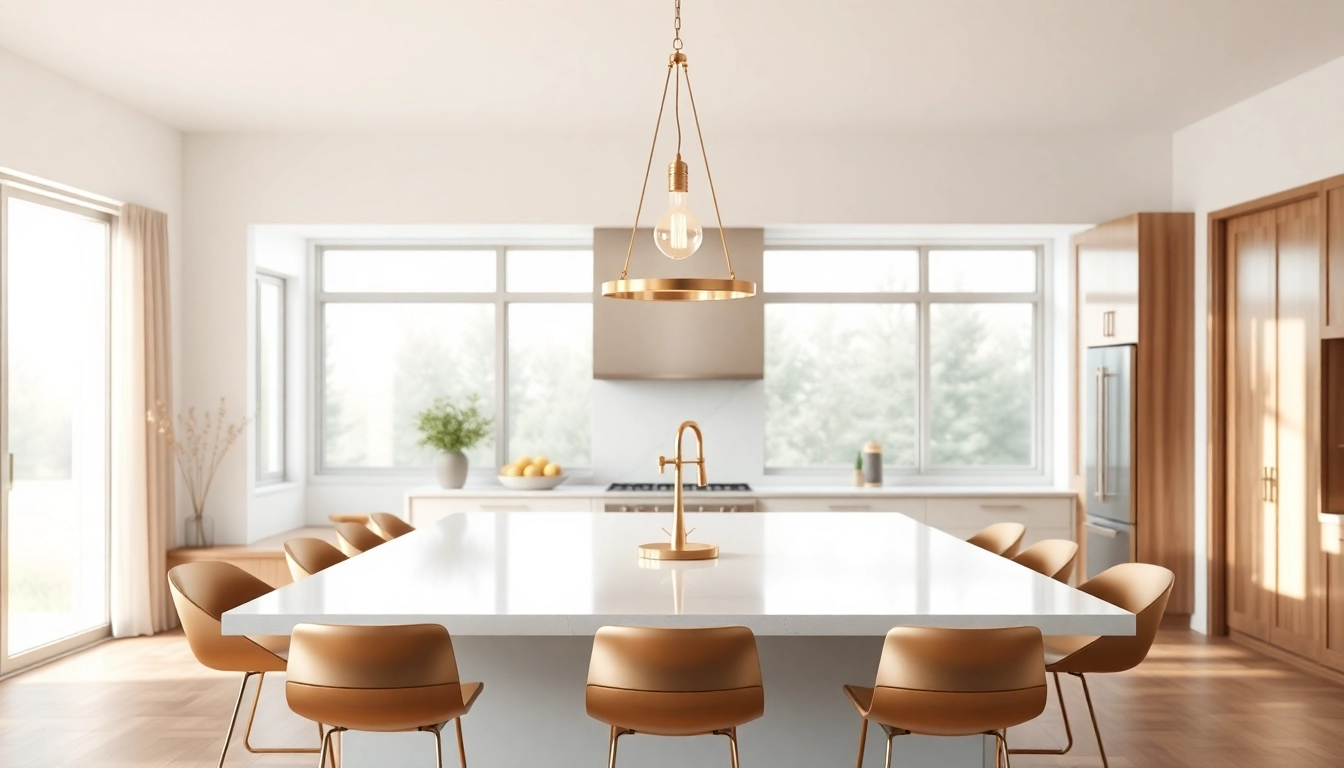
An island light fixture primarily serves both functional and aesthetic purposes within a kitchen or dining area. Specifically designed to provide illumination over an island countertop, breakfast bar, or dining table, these fixtures set the tone for the space while ensuring ample lighting for culinary tasks and social gatherings. They come in a variety of styles, shapes, and sizes, making them a versatile choice for enhancing your home décor. The addition of an island light fixture can transform a mundane cooking area into a vibrant, inviting hub for family and friends.
1.2 Types of island light fixtures
Island light fixtures come in several types, each crafted to meet different aesthetic preferences and lighting needs. Some popular categories include:
- Pendant Lights: Hang from the ceiling and are available in single or multiple clusters to illuminate a wider area.
- Chandeliers: Perfect for adding a touch of elegance, chandeliers can vary from intricate designs to modern simplicity.
- Flush Mounts: These fixtures sit snugly against the ceiling and are perfect for low ceilings while providing ample coverage.
- Linear Lights: Long and sleek, these fixtures are designed to provide uniform lighting along the length of the island.
1.3 Benefits of installing an island light fixture
Integrating an island light fixture into your kitchen space is not merely about illumination; it also offers numerous advantages:
- Enhanced Lighting: Proper illumination makes food preparation and entertaining more efficient and enjoyable.
- Focus on Design: These fixtures can serve as a focal point, unifying your kitchen’s design theme.
- Increased Value: A well-placed island light fixture can elevate the aesthetic value of your home, appealing to future buyers.
- Versatility: They can easily adapt to various design aesthetics, from modern to rustic.
2. Choosing the Right Island Light Fixture for Your Space
2.1 Size considerations for island light fixture selection
Choosing the correct size for your island light fixture is crucial for both functionality and aesthetics. A fixture that is too small may not effectively illuminate the space, whereas one that is disproportionately large can overwhelm it. For optimal results, use the following guideline: measure the length of your island in inches and divide by two to determine the ideal width of your fixture. Additionally, consider the height at which it will be hung—typically, a distance of 30 to 36 inches above the countertop is recommended for pendant lights.
2.2 Design styles to match your kitchen decor
Your island light fixture should harmonize with the overall design of your kitchen. Make your selection based on the style that resonates with you:
- Modern: Sleek lines and minimalistic forms usually define modern fixtures. Look for designs in metal or glass.
- Rustic: Go for fixtures made from natural woods or traditional materials that convey a warm, inviting feel.
- Industrial: Prefer raw materials such as exposed bulbs and metals with a finished yet rugged appearance.
- Traditional: Ornate designs, often with embellishments, suit classic kitchens with rich cabinetry.
2.3 Material options for durability and aesthetics
The materials used in your island light fixture not only contribute to its durability but also affect the overall visual appeal. Common materials include:
- Metal: Ideal for industrial or modern designs; typically resistant to wear and tear.
- Glass: Provides an elegant touch—options range from clear to frosted, allowing for varying light diffusion.
- Wood: Offers a natural aesthetic; however, ensure it is treated to withstand kitchen humidity.
- Fabric: Commonly used in drum shades, fabric can soften the light and provide a homey feel.
3. Installation Tips for Island Light Fixtures
3.1 DIY vs. hiring a professional
Determining whether to install your island light fixture yourself or hire a professional depends on your comfort level with electrical work. DIY installation can save money but may require you to research and gather tools. Hiring a professional ensures safety and proper alignment while adhering to local electrical codes. If unsure, it might be wise to consult with a professional to avoid potential hazards.
3.2 Essential tools and pre-installation steps
If you decide to take on the installation yourself, here are essential tools and steps to prepare:
- Tools Needed: Wire cutters, screwdriver, voltage tester, and electrical tape.
- Pre-Installation Steps: Turn off the power at the circuit breaker, remove any existing fixtures, and carefully note how current wiring is arranged for reference.
3.3 Safety tips during installation of the island light fixture
Safety should always be your top priority when installing an island light fixture. Here are some crucial safety tips:
- Always turn off power at the circuit breaker before starting.
- Use a voltage tester to ensure wires are not live.
- Secure all wiring and connections properly; loose wires can cause flickering or short-circuits.
- Consider using a ladder that provides stability at the necessary height for installation.
4. Maintaining Your Island Light Fixture
4.1 Cleaning methods for different materials
Regular maintenance keeps your island light fixture looking its best. Cleaning methods depend on the materials used:
- Metal: Use a damp cloth with mild soap; avoid abrasive cleaners that may scratch.
- Glass: Wipe with glass cleaner and a microfiber cloth to achieve a streak-free shine.
- Wood: Dust regularly and occasionally use a specialized wood cleaner to maintain its finish.
- Fabric: Lightly vacuum or use a softbrush to remove dust; consult care instructions for deeper cleaning.
4.2 Troubleshooting common lighting issues
If your island light fixture encounters issues, these common problems can often be addressed:
- Flickering Lights: Check for loose connections or a faulty bulb.
- No Light: Ensure the circuit breaker is on and check that the bulb is functional.
- Dim Light: Verify the wattage of the bulbs used; upgrading may be necessary.
4.3 When to replace your island light fixture
Sometimes, replacing your island light fixture makes more sense than maintaining it. Consider replacement if:
- The fixture shows signs of wear that cannot be repaired.
- Your aesthetic preferences have changed, and the current fixture no longer fits.
- The fixture no longer provides adequate lighting for your needs.
5. Frequently Asked Questions about Island Light Fixtures
5.1 How high should I hang my island light fixture?
The ideal height for an island light fixture is typically between 30 to 36 inches above the countertop to ensure effective illumination and avoid obstruction.
5.2 Can I use an island light fixture in other spaces?
Absolutely! Island light fixtures can be used in dining areas, living rooms, or even as accent pieces in open spaces, blending functionality with decoration.
5.3 What wattage is best for an island light fixture?
Wattage will depend on the size of your fixture and the area it illuminates. Generally, aim for 100 to 200 watts for optimal illumination without overpowering the space.
5.4 Are LED bulbs suitable for island light fixtures?
Yes, LED bulbs are suitable for island light fixtures. They are energy-efficient and come in various color temperatures that can enhance your kitchen’s ambiance.
5.5 How often should I clean my island light fixture?
Ideally, clean your island light fixture every month to keep dust at bay and ensure optimal light output. For grease-prone areas, consider more frequent cleaning.