Understanding Colonial Home Renovation
Colonial home renovation is a unique blend of history, architecture, and contemporary living. As homeowners around the world seek to balance modern comforts with traditional aesthetics, understanding the characteristics and significance of colonial architecture becomes essential. This detailed guide will explore various aspects of colonial home renovation, empowering homeowners to create spaces that honor the past while embracing the future.
Defining Colonial Architecture
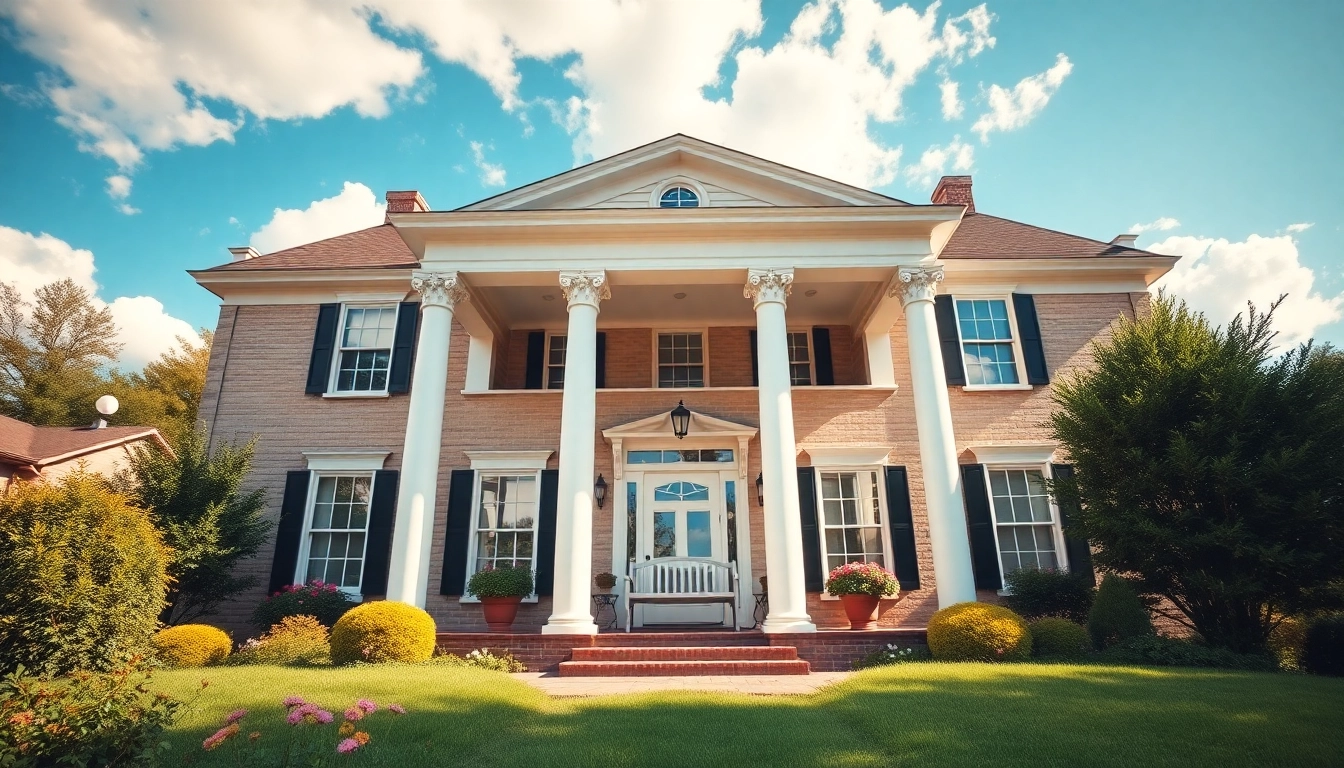
Colonial architecture represents a style that emerged in the early periods of American colonization, influenced by European designs, particularly those from England, Spain, France, and the Netherlands. These homes were often simple in their form, yet their elegance is derived from symmetry, proportion, and classical elements. Colonial homes vary across regions, capturing the essence of the cultural influences prevalent at the time while utilizing local materials. A typical colonial home features two to three stories, gable roofs, and square or rectangular layouts that emphasize balance.
Common Features of Colonial Homes
Recognizing the distinctive features of colonial homes is vital for effective renovation. Here are some hallmarks:
- Symmetrical Facades: Colonial homes often showcase a balanced look, with evenly spaced windows and doors.
- Centric Entrances: Most colonial designs feature a prominent front door with classical pediments and sidelights.
- Multi-Pane Windows: Traditionally, windows used many small panes of glass, giving a precise geometric appearance.
- Natural Materials: Brick, wood, and stone are common materials, often reflecting the local environment.
Importance of Historical Preservation
Preserving colonial architecture is not just about maintaining aesthetic appeal; it’s about honoring history. These homes tell stories of past generations, showcasing design ingenuity that has stood the test of time. Renovations offer a chance to retain historical integrity while enhancing functionality. The emotional connection families have with such properties deepens their commitment to maintaining their architectural legacies. Moreover, preservation contributes to community identity and often enhances property values, making it essential that renovations must strike a balance between historical fidelity and modern living requirements.
Planning Your Colonial Home Renovation
Planning is crucial in executing a successful colonial home renovation. By addressing key issues—from structural concerns to budgeting—homeowners can ensure a smoother renovation process.
Assessing Structural Integrity
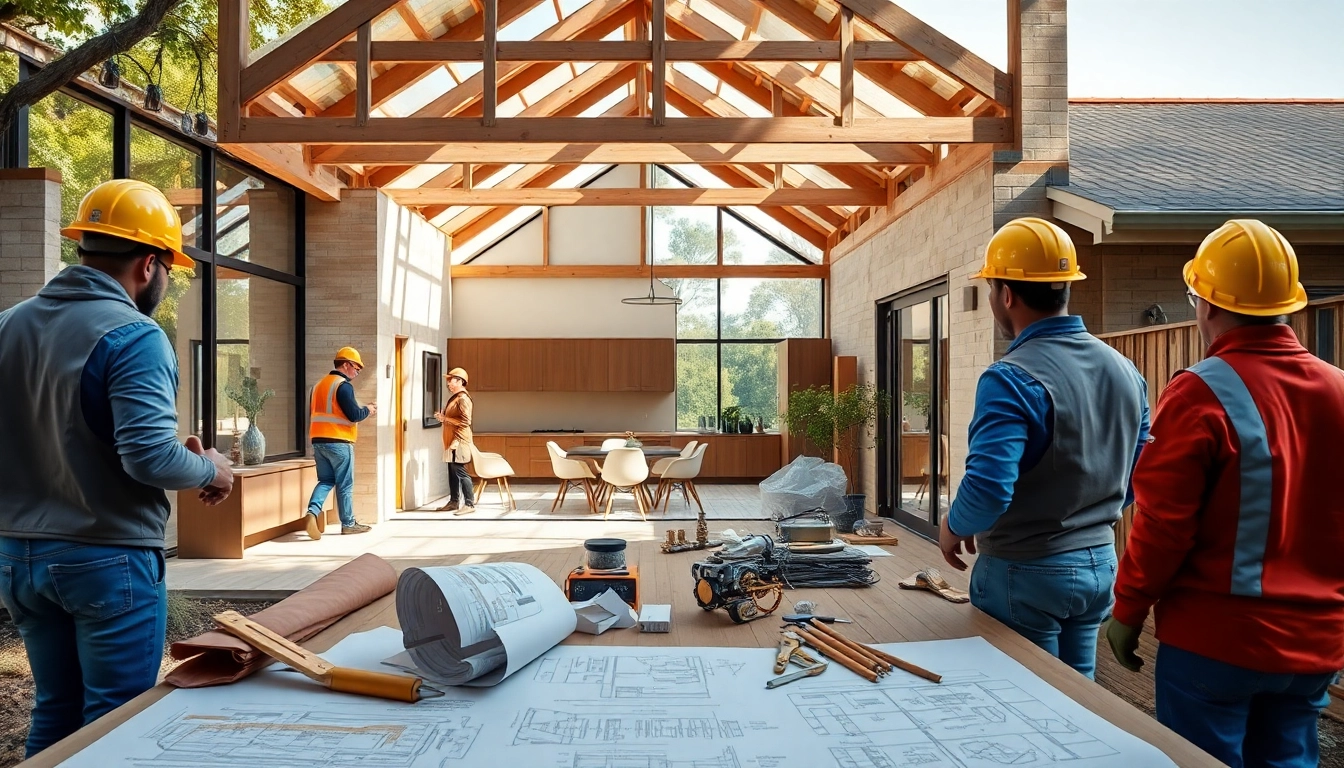
Before embarking on a renovation, it’s essential to evaluate the home’s foundational structure. This includes checking for issues such as settling, cracks, water damage, and pest infestations. Engaging a structural engineer can provide insights into supporting walls, beams, and columns that may require reinforcement. It’s vital to ensure that any renovations preserve the overall integrity of the home, ensuring that the results are both aesthetically and structurally sound.
Budgeting for Renovations
Preliminary budgeting is a critical step in the renovation process. Homeowners should itemize anticipated costs—including materials, labor, permits, and unexpected expenses. It’s wise to allot a contingency fund (typically 10-20% of the total budget) for unforeseen challenges that may arise during the renovation. Opting for quality over quantity in materials will lead to more durable, though initially higher, costs—an investment that pays off in longevity.
Choosing the Right Materials
When selecting materials, it’s important to ensure they reflect the home’s historic context. Original materials, such as reclaimed wood, traditional bricks, and period-appropriate fixtures, not only maintain aesthetic consistency but also reduce the environmental impact. For modern updates, blending in materials that complement the colonial style—such as natural stone for countertops or energy-efficient windows that mimic original designs—can yield excellent results while maintaining historical fidelity.
Designing Interior Spaces in Colonial Homes
Interior design plays a pivotal role in the overall appeal of renovated colonial homes. Balancing modern needs with traditional charm creates spaces that are not only beautiful but functional.
Incorporating Traditional Elements
Traditional elements like crown moldings, wainscoting, built-in bookshelves, and hardwood floors enhance the historical essence of colonial homes. It’s vital to integrate these elements into renovated spaces but also to remain mindful of modern conveniences. For example, custom cabinetry can be designed to fit the historic style while providing 21st-century functionality.
Modern vs. Historic Aesthetics
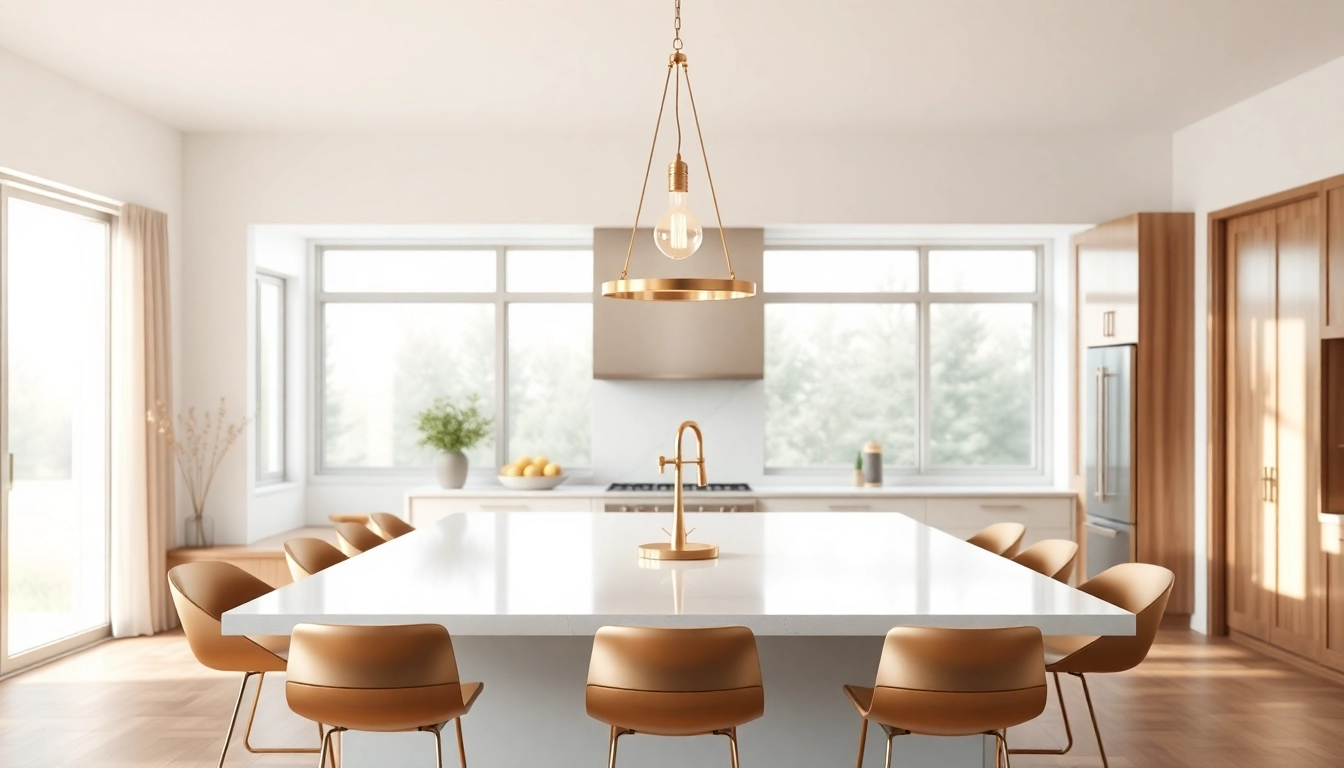
Finding a balance between modern design elements and historic aesthetics is often a challenge. While clean lines and open layouts are contemporary norms, incorporating modern amenities and designs does not mean abandoning the beauty of colonial architecture. For instance, consider utilizing modern furniture that complements the colonial style rather than overwhelming it. Space planning becomes crucial here, allowing for both function and tradition to coexist harmoniously.
Utilizing Space Efficiently
Colonial homes often feature defined, compartmentalized rooms. To maximize living spaces, consider open floor plan concepts that connect common areas while retaining distinct zones. Smart storage solutions, such as multifunctional furniture, can minimize clutter and enhance usability without compromising historic character. This approach not only creates more livable spaces but accentuates the home’s unique attributes.
Exterior Renovation Techniques
The exterior of a colonial home sets the tone for the overall appearance and functionality. Landscape and façade are integral components that resonate with the architectural style while maintaining home value.
Restoring Original Facades
Restoration of the original façade is vital to preserving the integrity of colonial homes. Cleaning, repairing, or replacing siding materials, shutters, and trim requires careful attention to historical details. Utilizing appropriate materials ensures that restorations contribute to the home’s longevity and aesthetic. Furthermore, proper maintenance can prevent future damage, thus preserving the home’s curb appeal for years to come.
Additions that Complement Classics
Adding space to colonial homes can be challenging, as homeowners must ensure new structures complement the existing architecture. Architectural harmony is crucial; utilizing matching rooflines, window styles, and exterior materials preserves the home’s overall character. By consulting with architects (like those at colonial home renovation) and utilizing creative design, homeowners can add functional space while maintaining historical integrity.
Landscaping Strategies for Appeal
Landscaping carries significant weight in the overall appeal of colonial homes. Traditional gardens featuring box hedges, flower beds, and stone pathways evoke the colonial style, enhancing visual aesthetics. Additionally, strategic tree planting can provide shade and privacy while aligning with the home’s character. Maintaining gardens and ensuring that plant selection is suitable for the climate can promote sustainability and visual harmony.
Maintaining Your Renovated Colonial Home
After renovation, ongoing maintenance is essential for preserved colonial homes. Regular upkeep ensures that the home remains not only livable but also captivating for decades ahead.
Regular Maintenance Tips
Daily and seasonal maintenance tasks are crucial for preserving the integrity of renovated colonial homes. Regular inspection of roofs, gutters, and siding can help identify issues before they escalate. Seasonal cleaning, especially of exterior surfaces and windows, contributes not only to aesthetic appeal but also to longevity, maintaining the beauty of original materials.
Seasonal Care Guidelines
Different seasons can pose unique challenges for colonial home maintenance. Winter requires ensuring heating systems are efficient and ensuring that snow and ice don’t obstruct roofs and drainage systems. Spring is ideal for thorough external inspections and landscaping work, while summer can focus on painting and repairs. Each season offers an excellent opportunity for routine assessments, keeping the home’s condition at its best.
Long-Term Value Enhancement
Long-term enhancements gain significance post-renovation. Regular updates—like energy-efficient windows, modern heating systems, and sustainable landscaping—not only improve comfort but can significantly boost property values. Homeowners should document all renovation efforts, as maintaining this history can serve prospective buyers well, highlighting the care taken to preserve and enhance the property’s value.
FAQs About Colonial Home Renovation
What is colonial home renovation?
Colonial home renovation involves updating and preserving the architectural characteristics of colonial-style houses, merging modern needs while maintaining their historical features.
How do I assess my colonial home’s structural integrity?
Hire a structural engineer to evaluate foundational issues, walls, and the overall soundness of your home before starting renovations.
What materials should I use in a colonial renovation?
Opt for materials that reflect the original style, such as reclaimed wood, traditional brick, and period-appropriate fixtures for authenticity.
Can I modernize my interior without losing colonial charm?
Yes, incorporating modern furniture and amenities while retaining traditional elements creates a balance that honors the colonial character.
How can I enhance my colonial home’s exterior appeal?
Restoring original facades, strategic landscaping, and complementary additions can elevate the home’s exterior while preserving its historic essence.