Understanding Lvp Floors: The Basics
What Are Lvp Floors?
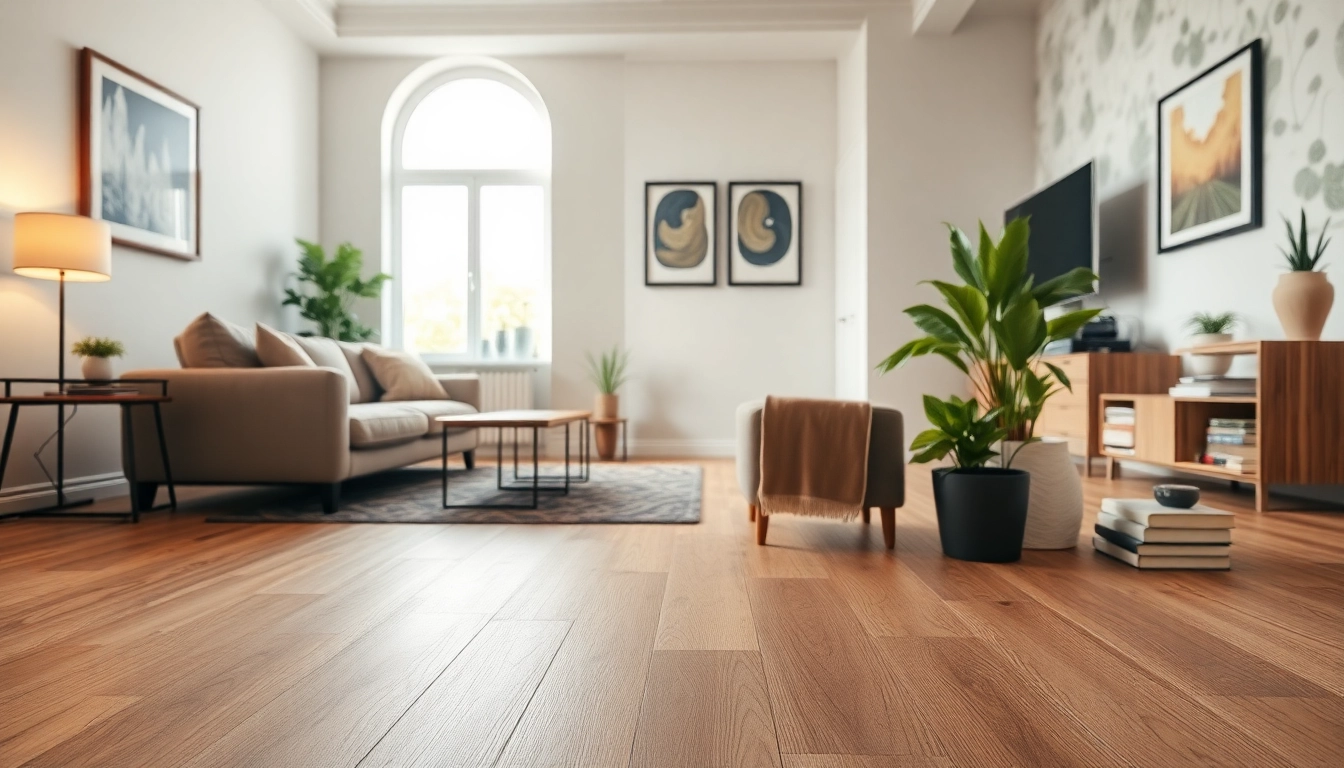
Luxury Vinyl Plank (LVP) floors are a contemporary flooring option known for their authenticity and durability. Made from high-quality PVC, LVP mimics the look of natural wood, stone, or even ceramic tiles while offering added resilience against moisture and wear. Each plank is designed to make installation simple and often features a click-lock system, allowing for straightforward DIY projects. Homeowners increasingly choose lvp floors as a stylish yet practical alternative.
Benefits of Choosing Lvp Floors
LVP floors come equipped with numerous advantages, making them a favored choice among homeowners. These include:
- Durability: Resistant to scratches, dents, and stains, LVP is designed to withstand heavy foot traffic without showing wear.
- Water Resistance: Perfect for kitchens, bathrooms, and basements, LVP is resistant to moisture damage.
- Ease of Installation: Many LVP products utilize click-lock systems for simple DIY installation.
- Design Versatility: Available in a myriad of styles, colors, and textures, LVP floors can complement a variety of interior designs.
- Cost-effectiveness: Compared to traditional hardwood or tile, LVP often presents a more affordable price point without sacrificing aesthetics.
Common Misconceptions About Lvp Floors
Despite their popularity, several myths surround LVP floors. One common misconception is that they are of lower quality compared to hardwood. In reality, LVP is engineered to be even more resilient and versatile. Another myth suggests that LVP can only be used in low-end decorations; however, high-end options are available that rival expensive flooring materials. Lastly, some believe LVP is hard to install; in fact, many products come with easy-to-follow instructions for DIY enthusiasts.
Installation Guide for Lvp Floors
Preparing Your Space for Lvp Floors
Preparation is crucial for installing LVP floors. Start by removing any existing flooring and baseboards. Ensure that the subfloor is clean, dry, and level. Uneven surfaces can compromise the integrity of the LVP. Use a leveling compound if necessary and allow it to dry completely before moving forward.
Step-by-Step Installation Process
- Measure the Room: Calculate the square footage to determine how much LVP you need.
- Acclimate the Planks: Leave the planks in the room where they will be installed for at least 48 hours.
- Install Underlayment: If required, lay down an underlayment to provide cushioning, moisture resistance, and sound absorption.
- Lay the First Plank: Start from the left corner, placing the first plank against the wall and securing it in place.
- Continue Installation: Use a taping block and mallet to interlock the planks together, maintaining a gap of at least ¼ inch from the wall for expansion.
- Finishing Touches: Once all planks are laid, reinstall baseboards and add door trim to complete the look.
Maintaining Your Lvp Floors After Installation
Proper maintenance ensures your LVP floors remain in prime condition. Regular sweeping or vacuuming helps remove dirt and debris. Wipe spills immediately to prevent staining, and clean with a damp mop using a mild floor cleaner. Additionally, refrain from using abrasive cleaning products that could damage the surface finish. A good quality doormat at entry points can also help to minimize wear and tear.
Design Ideas Featuring Lvp Floors
Best Color Combinations With Lvp Floors
Choosing the right color to pair with LVP floors can elevate any space. Neutral tones like greys and beiges lend sophistication and can match various decor styles. For a bolder look, contrast your LVP with darker furniture pieces or bright accent walls. Incorporating area rugs can also help define spaces while adding warmth and texture.
Design Styles That Complement Lvp Floors
LVP floors enhance various design aesthetics, particularly those that favor a natural ambiance. The rustic charm of farmhouse designs pairs beautifully with wood-look LVP, while modern styles benefit from sleek, stone-like finishes. In coastal decor, light-hued LVP can evoke a breezy and relaxed atmosphere, making spaces feel larger and more open.
Creative Ways to Use Lvp Floors in Different Spaces
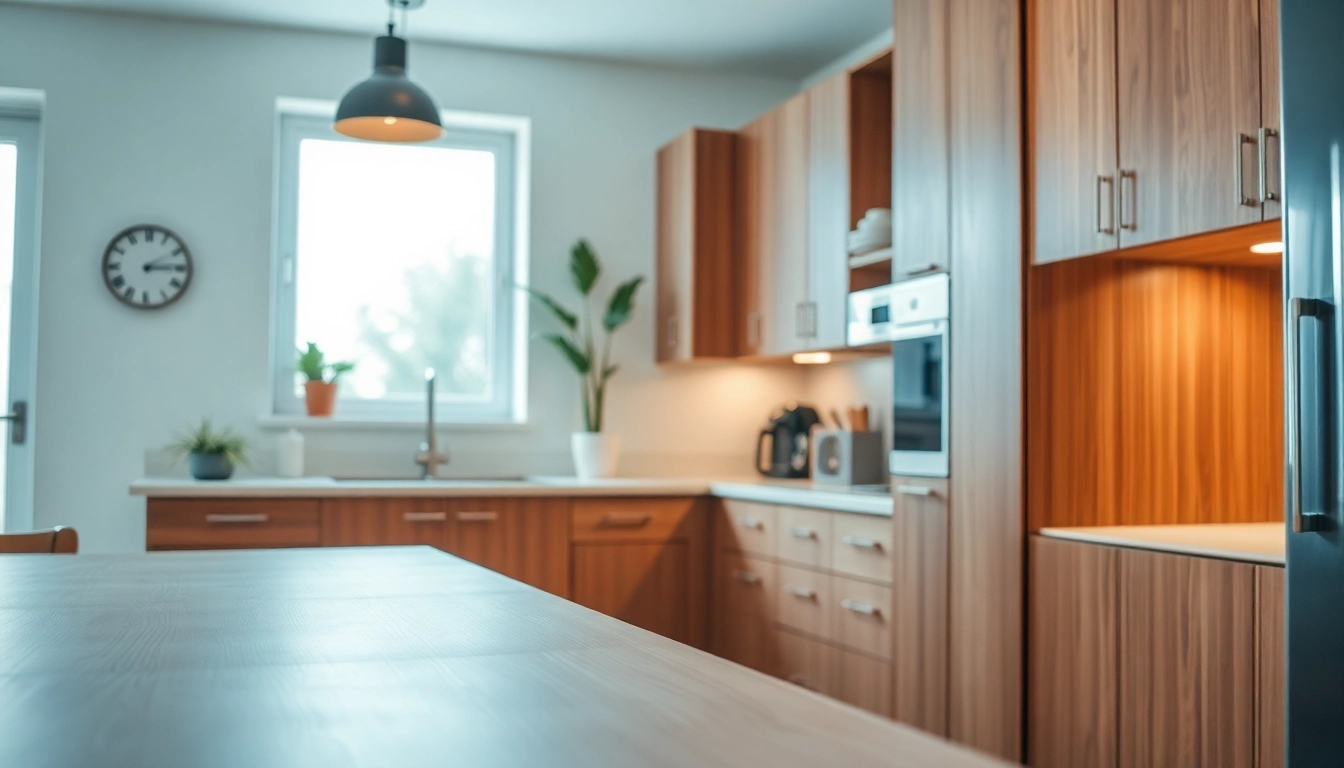
LVP floors can be creatively utilized in numerous areas beyond just living rooms and bedrooms. In kitchens, their water-resistant properties make them ideal, while in bathrooms, they replace traditional tiles effectively. Home offices can benefit from LVP’s sound-absorbing qualities, fostering a productive environment. Additionally, outdoor spaces can use LVP designed for weather resistance, ensuring a cohesive flow between indoor and outdoor areas.
Comparing Lvp Floors with Other Flooring Options
Lvp Floors vs. Hardwood: Pros and Cons
When comparing LVP floors to hardwood, both have clear advantages. Hardwood offers timeless beauty and can increase home value, but it is susceptible to water damage and requires more maintenance. LVP, on the other hand, is more affordable, easy to install, and highly resistant to moisture but might not provide the same resale value as hardwood. The decision often boils down to personal needs and lifestyle.
Lvp Floors vs. Tile: Which is More Practical?
Tile flooring comes with its strengths, particularly in durability and water resistance. However, it can be cold and hard underfoot, which makes LVP a more comfortable alternative for many homeowners. Additionally, LVP is easier to install and comes without the grout lines that can harbor dirt and bacteria in tile floors. For families, LVP typically offers a better balance of comfort and practicality.
Why Choose Lvp Floors Over Carpet?
While carpet offers warmth and softness, it is prone to stains and requires more regular cleaning. LVP provides a more resilient surface that can handle the rigors of daily life, including spills and pet accidents. Its ease of maintenance and variety of styles also make LVP a favorable option for those looking to minimize upkeep while maximizing design versatility.
Frequently Asked Questions about Lvp Floors
How Durable Are Lvp Floors?
LVP floors are highly durable, designed to resist scratches, dents, and wear, making them ideal for high-traffic areas.
Can You Install Lvp Floors Over Existing Flooring?
Yes, you can install LVP over many types of existing flooring, such as tile or hardwood, provided the surface is level and in good condition.
Are Lvp Floors Environmentally Friendly?
Many LVP products are made from recycled materials and are 100% recyclable, making them a relatively environmentally friendly flooring option.
What Is the Average Cost of Lvp Floors?
The average cost of LVP floors ranges from $2 to $7 per square foot, depending on quality, brand, and thickness.
How to Clean and Maintain Lvp Floors?
Regular sweeping and damp mopping with a mild cleaner are essential for maintaining LVP floors. Avoid harsh chemicals and abrasive tools.