Understanding Cabinet Refacing Largo FL
What is Cabinet Refacing?
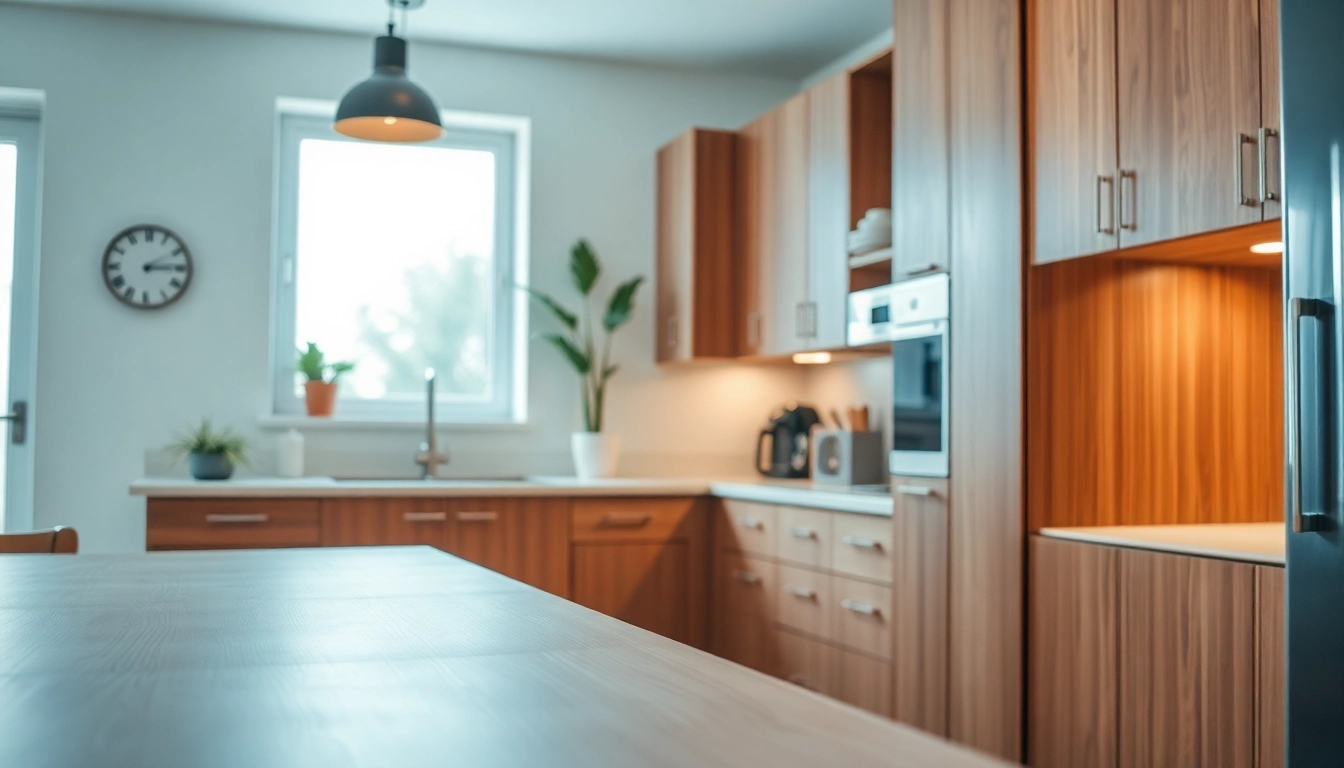
Cabinet refacing is a transformative process wherein the existing cabinets in your home are updated with new materials while maintaining their original structure. This technique involves replacing the cabinet doors, drawer fronts, and veneers on the exterior surfaces, effectively giving your kitchen a brand-new look without the need for a full replacement. The success of this method lies in its ability to preserve the integrity of your current cabinetry while offering aesthetic and functional improvements. Homeowners seeking an affordable yet impactful kitchen renovation should certainly explore Cabinet Refacing Largo FL options.
Benefits of Cabinet Refacing
The benefits of cabinet refacing extend far beyond just aesthetics. One of the most compelling advantages is cost savings. Refacing is typically 30-50% cheaper than a full cabinet replacement, making it an attractive option for homeowners on a budget. In addition, the process is less time-consuming, usually taking 3-5 days to complete, which means less disruption to your daily routine.
Moreover, cabinet refacing is an environmentally friendly choice. It reduces waste by reusing existing cabinet structures and limiting the amount of new materials needed. By choosing this option, you’re making a sustainable decision that contributes to a lower carbon footprint. Lastly, with a plethora of styles, colors, and finishes available, homeowners can personalize their cabinets to fit their taste, ensuring satisfaction with the visual outcome.
Cabinet Refacing vs. Replacement
When contemplating a kitchen remodel, the decision between cabinet refacing and replacement is pivotal. Cabinet replacement can be a lengthy and complex process, requiring not only the purchase of new cabinets but also the installation, which often leads to unexpected costs and delays. On the other hand, cabinet refacing eliminates these concerns by utilizing the existing framework, which can dramatically cut down on labor and material costs.
Speaking practically, while replacing cabinets may be necessary for severely damaged or outdated structures, refacing provides an efficient alternative for cabinets that are structurally sound but visually unappealing. Therefore, understanding your current cabinetry condition is crucial in making the right decision, balancing budget, time, and desired outcomes.
The Cabinet Refacing Process
Step-by-Step Guide to Refacing Cabinets
The cabinet refacing process can be broken down into several distinct steps to ensure a successful transformation:
- Assessment: Evaluate the existing cabinets for structural integrity, ensuring they are strong enough to support new veneers and hardware.
- Selection: Choose the materials, colors, and finishes you desire for your new cabinet appearance.
- Preparation: Remove cabinet doors and hardware and clean the surfaces thoroughly.
- Veneering: Attach the new veneer to the cabinet frames and apply the chosen finish. Ensure all applications are smooth and bubbled-free.
- Installation: Rehang the doors and replace any hardware, paying attention to alignment and fit.
- Final Touches: Inspect the completed refacing job for finishing touches like new knobs and pulls.
Choosing Materials for Refacing
Choosing the right materials is vital in the cabinet refacing process. Popular choices include laminate, wood veneer, and painted finishes:
- Laminate: A durable option that comes in various colors and textures but may not have the same warmth or appeal as wood.
- Wood Veneer: Offers a rich, classic look and can be stained or painted to achieve the desired appearance. It’s important to select high-quality veneer to ensure longevity.
- Painted Finishes: Allow for complete customization and are an excellent choice for modern styles. High-quality paint ensures a smooth and lasting finish.
Ultimately, the choice will depend on personal preferences, the intended style of the kitchen, and budget considerations.
Tools Needed for Refacing
To effectively undertake the refacing process, certain tools and materials are essential:
- Measuring tape for accurate dimensions
- Utility knife for cutting veneer and laminate
- Adhesive (specific for cabinet veneer applications)
- Sandpaper for smoothing edges and surfaces
- Spray or paint gun for applying finishes evenly
- Clamps to hold pieces in place during drying
Having these tools handy will help streamline the refacing process and achieve a polished final result.
Selecting the Right Style
Popular Styles for Refaced Cabinets
When refacing cabinets, choosing the right style is crucial to achieving your desired kitchen aesthetic. Some popular styles include:
- Shaker Style: Characterized by its clean lines and simple design, this style is perfect for a modern or farmhouse look.
- Contemporary: Features sleek, smooth surfaces and minimal hardware, ideal for a clean, upscale environment.
- Traditional: Often includes ornate carvings and intricate details, appealing for classic or vintage settings.
- Rustic: Emphasizes natural wood and distressed finishes for a charming, cozy effect.
Choose a style that complements the overall design of your home to create a cohesive look.
Color Trends in Cabinet Refacing Largo FL
Color choice plays a significant role in the overall aesthetic of your kitchen. Current trends in cabinet refacing include:
- Soft Neutrals: Colors like soft gray, beige, and cream can create a calming atmosphere while enhancing light.
- Bold Hues: Strong colors such as navy blue or deep forest green make a statement and add character to the kitchen.
- Classic White: A timeless choice that ensures a bright, open feel, often paired with contrasting dark hardware.
- Pastel Shades: Light shades like mint green or blush pink appeal to those seeking a trendy or vintage vibe.
Consider the rest of your kitchen décor and lighting when choosing the perfect color to ensure a harmonious space.
Finishing Touches: Hardware and Accessories
The hardware selected for your refaced cabinets can significantly impact the final look. Here are key considerations:
- Knobs and Pulls: These small elements can bring personality to cabinets. Choose finishes that complement your cabinetry style—brushed nickel for a modern take or bronze for a rustic feel.
- Hinges: Ensure they match the overall aesthetic—soft-close hinges provide a smooth operation and a high-quality feel.
- Lighting: Consider under-cabinet lighting to enhance the colors and finishes of refaced cabinets, creating an inviting ambiance.
These details are the icing on the cake, providing the personality and cohesion necessary to bring the kitchen together.
Common Challenges and Solutions
Addressing Rotting Wood and Damage
Before refacing, it’s essential to check for any underlying issues, including rotting wood or water damage. If such problems exist, the affected areas should be repaired or replaced prior to starting the refacing process. This may involve reinforcing structures, applying wood filler, or even replacing bases that are beyond salvaging.
Always consult skilled professionals if you encounter severe damage to ensure safety and a quality outcome.
Ensuring a Perfect Fit
Another common challenge is ensuring that the new doors and veneers fit seamlessly on your cabinets. Taking precise measurements is crucial in preventing gaps and ensuring ease of use. If the new fronts do not meet at the same alignments, adjustments may be necessary during installation. Use spacers and shims to facilitate alignment where needed.
Maintaining Quality After Refacing
To keep your refaced cabinets looking new for years, maintenance is essential. Regularly clean surfaces with non-abrasive materials to avoid scratching and use conditioners or oils on wood finishes to prevent drying or cracking. Avoid excessive heat or moisture near cabinetry, and consider how kitchen activities can influence wear and tear.
Maximizing the Impact of Your Refaced Cabinets
Styling Your Kitchen Around New Cabinets
After refacing your cabinets, the next step is to style the surrounding areas to complement your new look. Consider coordinating the countertop colors with the cabinetry and adding backsplash elements that create harmony. Open shelving can enhance visual appeal, showcasing dishware or decorative items that correspond with your established color palette.
Increasing Home Value with Refacing
Refacing cabinets can yield an impressive return on investment by enhancing the kitchen’s visual appeal, a key selling point in real estate. A freshly updated kitchen has the potential to attract more buyers and command a higher selling price. Homeowners looking to sell should consider cabinet refacing as a strategic move to improve their property’s marketability.
Best Practices for Long-lasting Refaced Cabinets
To extend the life of your refaced cabinets, follow best practices that promote durability and aesthetic appeal. Avoid placing hot items directly on surfaces, use gentle cleaning solutions, and consider installing cabinet liners to protect surfaces. Regularly inspect for wear and tear, addressing small issues before they develop into larger problems.
Frequently Asked Questions
How long does cabinet refacing take?
Cabinet refacing typically takes 3-5 days, depending on the scope of the project and the size of your kitchen.
Is cabinet refacing cheaper than replacement?
Yes, cabinet refacing is generally more cost-effective than total replacement, allowing you to update your space for less.
Can I choose my own colors for cabinet refacing?
Absolutely! Many companies offer a range of colors and finishes to customize your cabinet refacing project.
Do I need to remove my cabinets for refacing?
No, cabinets do not need to be removed; the process involves covering existing surfaces to give a new look.
What materials are used for cabinet refacing?
Common materials include laminate, veneer, and solid wood, each offering unique durability and aesthetic options.