Understanding the Pergola Configurator
As outdoor living spaces continue to gain popularity, the demand for customized pergolas has surged. A pergola configurator empowers homeowners and designers alike to create the perfect structure tailored to specific requirements and aesthetics. This innovative tool simplifies the design process and enhances the overall experience of outdoor space customization.
What is a Pergola Configurator?
A pergola configurator is an online design tool that allows users to create, visualize, and modify their pergola designs in real time. Users can select various parameters such as size, shape, materials, colors, and additional features, enabling them to see how these choices would affect the overall look and functionality of the pergola. This interactive process not only aids in planning but also provides a clear preview of the final product before construction begins.
Advantages of Using a Pergola Configurator
Utilizing a pergola configurator comes with several advantages:
- Customization: Tailor every aspect of your pergola to match your personal style and the architecture of your home.
- Visualization: Get instant visual feedback on design choices, helping to make informed decisions.
- Time Efficiency: Streamlined design processes save time, allowing for quicker project timelines.
- Cost Transparency: Many configurators provide cost estimates based on selected features, helping you stay within budget.
How Pergola Configurators Work: A Quick Overview
Pergola configurators typically work through an intuitive interface where users can click through different design options. After selecting the desired base model, users can then customize dimensions, choose materials (like wood or aluminum), incorporate roofs or side screens, and select colors. Once a design is finalized, users can often receive a 3D rendering, allowing for a more interactive experience that can help visualize the pergola in its intended environment.
Choosing the Right Style for Your Pergola
Deciding on the style of your pergola is a critical aspect of the design process as it will significantly influence the appearance of your outdoor space. Whether you prefer a modern aesthetic or a more traditional design, the configurator can help you narrow down your choices.
Popular Pergola Styles and Their Benefits
Some popular styles include:
- Gable Pergola: Offers a classic, symmetrical design that enhances architectural lines.
- Flat Roof Pergola: Modern and minimalist, great for providing shade.
- Arched Pergola: Adds an elegant touch and can frame views beautifully.
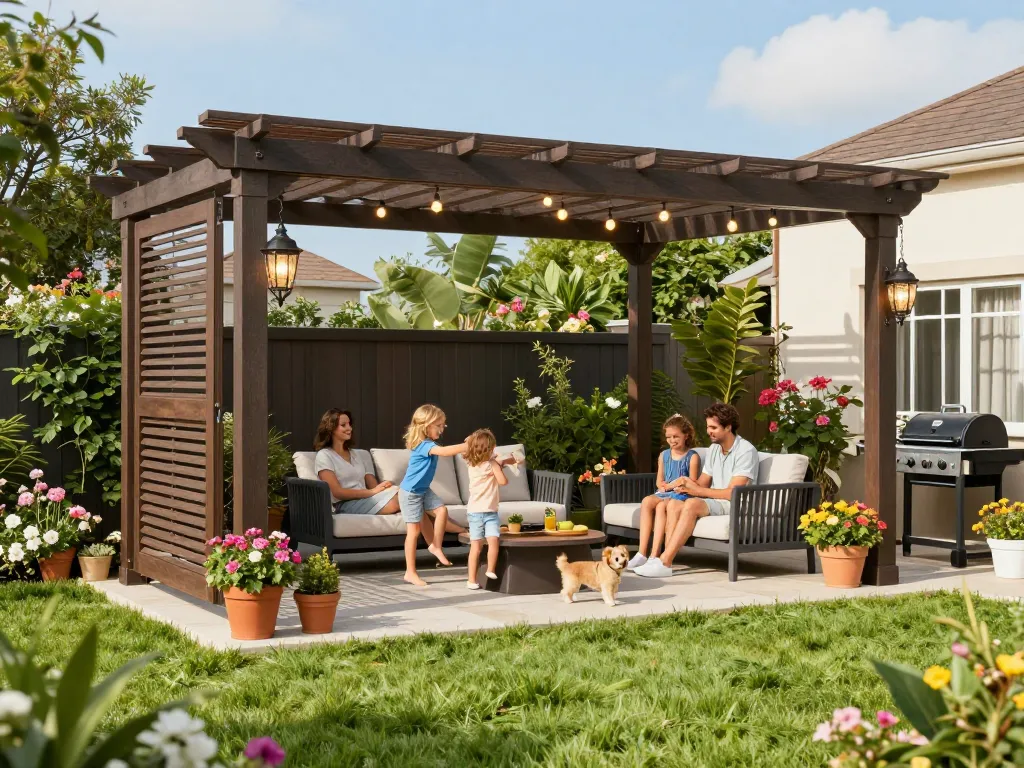
- Louvered Pergola: Adjustable slats allow for optimal sun control and ventilation.
Incorporating Your Home’s Architecture in Your Design
When designing your pergola, consider how it complements the existing architecture. A well-designed pergola will harmonize with your home’s overall style, enhancing its curb appeal. Use the configurator to match colors and materials with your home’s exterior for a cohesive look.
Customization Options Available in a Pergola Configurator
Customization features in a pergola configurator can include:
- Dimensions: Adjust height, width, and depth according to your space.
- Materials: Choose from wood, aluminum, vinyl, or composite materials.
- Roof Styles: Select from options such as solid, louvered, or fabric.
- Accessories: Incorporate lighting, fans, or heating systems.
Materials for Your Dream Pergola
The choice of materials can impact both the aesthetics and the durability of your pergola. Understanding the properties of different materials is essential for making an informed decision.
Exploring Material Options: Wood, Aluminum, and Vinyl
Common materials used in pergola construction include:
- Wood: Offers a natural and warm aesthetic, particularly popular for traditional designs. However, it requires maintenance to prevent rot and pest damage.
- Aluminum: Lightweight and resistant to weather damage, aluminum pergolas can be designed to mimic the look of wood without the upkeep.
- Vinyl: Provides a low-maintenance option that resists fading and weathering, available in various colors and styles.
Weather Resistance and Longevity of Different Materials
When selecting materials, consider your local climate. Aluminum and vinyl generally offer superior resilience against extreme weather conditions, while wood may require staining and sealing to prolong its lifespan. For homeowners in wetter climates, aluminum or vinyl is often the best choice due to their moisture resistance.
Cost Considerations When Choosing Pergola Materials
Budget is a crucial factor in material selection. Generally, wood tends to be more affordable initially, but its long-term maintenance costs can add up. Aluminum and vinyl may have higher upfront costs but often offer better longevity and lower maintenance, making them potentially more cost-effective over time.
Design Considerations for a Functional Outdoor Space
Designing a functional outdoor space means considering how your pergola fits into your lifestyle and the activities you want to enjoy in the area.
How to Maximize Shade and Sunlight Control
Consider the placement of your pergola and how it interacts with the sun’s path. Features like adjustable louvers or additional awnings can provide flexibility in managing shade and sunlight exposure throughout the day, creating a comfortable outdoor atmosphere.
Incorporating Lighting and Heating Features
To create an inviting outdoor space, think about adding lighting fixtures and heating options. String lights, built-in LED fixtures, or lanterns can enhance the ambiance, while patio heaters or fire pits can extend usability into cooler evenings.
Landscaping Ideas to Complement Your Pergola
Integrating your pergola with landscaping elements can help to create a cohesive outdoor space. Consider surrounding the area with suitable plants, such as climbing vines for added shade, or low-maintenance shrubs that frame the structure beautifully.
Future Trends in Pergola Design for 2026 and Beyond
As technology and design preferences evolve, so do the trends influencing the development of pergolas.
Smart Technology Integration in Pergola Designs
Smart technology is becoming increasingly integrated into outdoor living spaces. Future pergola designs may include features such as automated shade systems, integrated sound systems, and smart lighting that can be controlled via mobile apps, offering convenience and sophistication.
Eco-Friendly Materials and Sustainable Practices
Sustainability is at the forefront of design in 2026, with many homeowners seeking eco-friendly materials and practices. Look for pergola materials sourced from sustainable forestry or recycled products, which contribute to a smaller environmental footprint.
Emerging Aesthetic Trends for Outdoor Living Spaces
Expect to see a blend of modern and rustic styles, with natural materials and organic shapes being favored. The focus will likely shift towards creating seamless indoor-outdoor transitions that enhance the overall living experience.
What features should I look for in a pergola configurator?
When evaluating a pergola configurator, look for user-friendly interfaces, a wide range of customization options, realistic 3D visualizations, and clear pricing transparency. These features will ensure a smooth design experience and satisfactory results.
Can I use a pergola configurator for DIY projects?
Most pergola configurators are designed with DIY enthusiasts in mind, offering detailed plans and specifications that make self-assembly more straightforward. Ensure that the configurator provides comprehensive guides and resources to assist in the building process.
How can I choose the best pergola style for my garden?
Assess your garden’s overall aesthetic and function. Consider factors like the existing landscape, your home’s architectural style, and how you plan to use the pergola. By identifying these elements, the configurator can guide you toward the best style for your needs.
What are the maintenance requirements for different pergolas?
Maintenance requirements vary by material. Wooden pergolas require regular staining and treatment to prevent rot, while aluminum and vinyl options typically require less upkeep, primarily involving cleaning to remove dirt and debris.
Are there specific pergola configurators that are free to use?
Many pergola configurators offer free versions that allow users to explore basic design options. However, more advanced features and high-resolution visuals may be available through premium subscriptions. Research various tools to find one that fits your budget and needs.