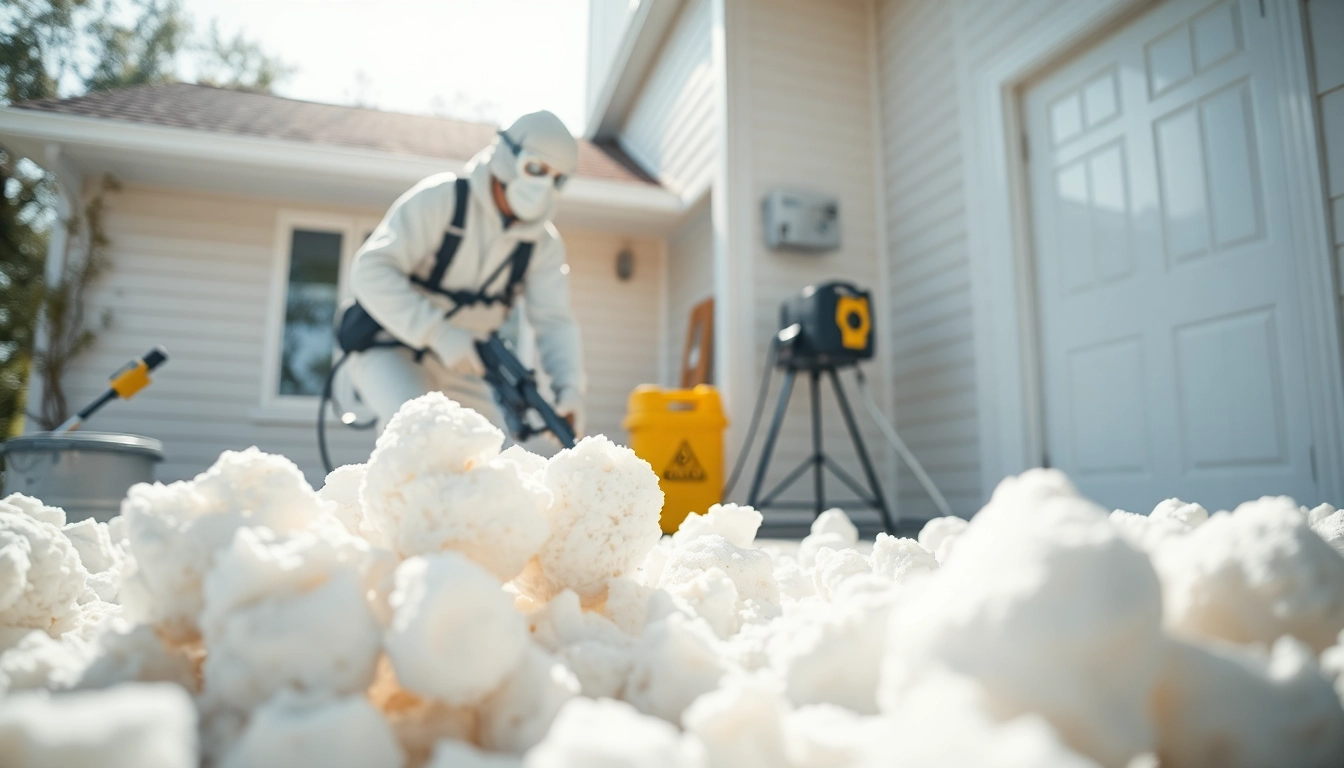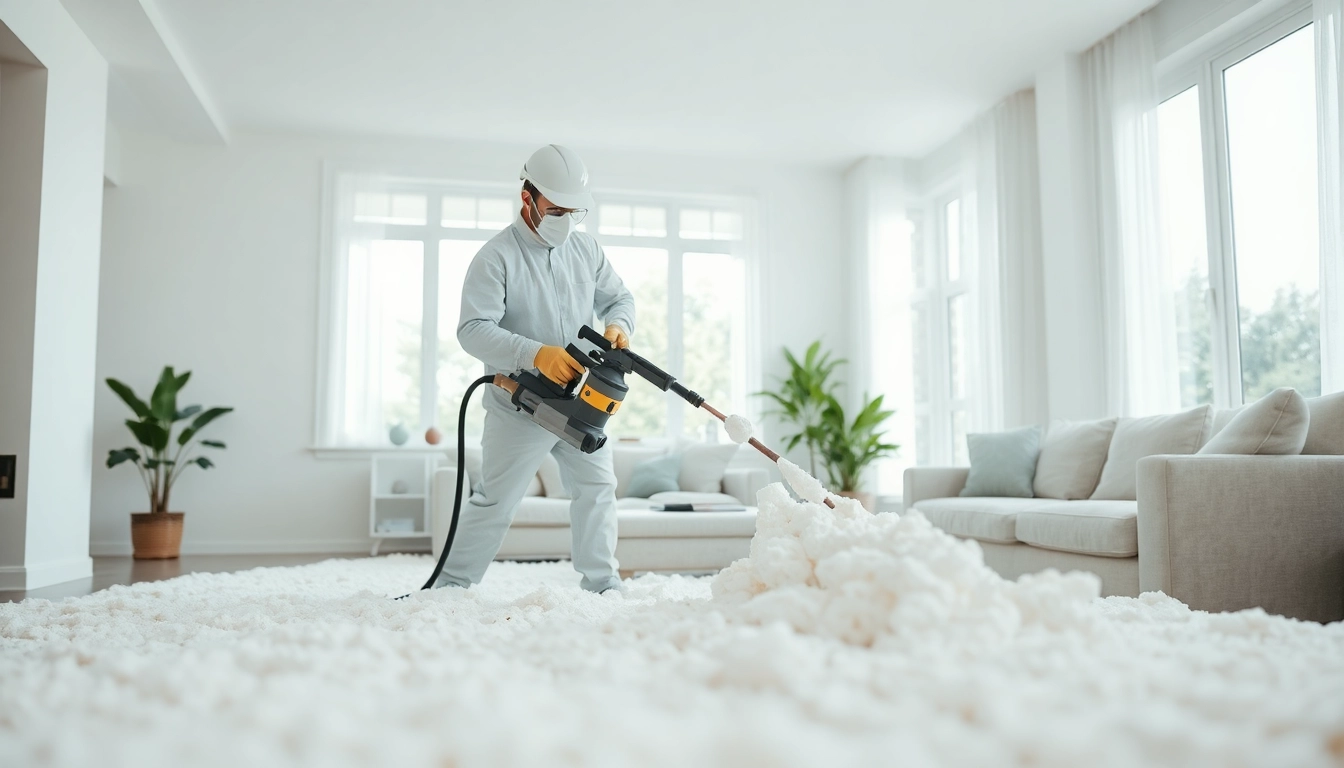
Understanding Spray Foam Insulation Removal
Spray foam insulation is a popular choice for both residential and commercial properties due to its excellent thermal resistance and ability to create an airtight seal. However, there are instances when spray foam insulation removal becomes necessary. Whether it is due to improper installation, damage, or a change in insulation needs, understanding the process is crucial for homeowners and contractors alike. This article delves into the nuances of spray foam insulation removal, providing essential knowledge, step-by-step guides, and best practices for tackling this project safely and effectively.
What is Spray Foam Insulation?
Spray foam insulation consists of a mixture of isocyanate and polyol resin, which, when combined, expands and solidifies into a foam. It is applied as a liquid and expands to fill gaps, cracks, and spaces in walls, attics, and crawlspaces. This unique property enables it to create a tight seal that prevents air leaks, thereby improving energy efficiency and reducing utility costs. There are primarily two types of spray foam: open-cell and closed-cell, each with varying R-values and applications. Open-cell foam is less dense and acts as a sound dampener, while closed-cell foam provides superior insulation and moisture resistance.
Why Would You Need Removal?
There are multiple reasons why you might find yourself needing to remove spray foam insulation. Common motivations include:
- Improper Installation: If the foam was incorrectly applied, it might not provide the desired insulation or may even lead to structural damage.
- Water Damage: Exposure to moisture can deteriorate spray foam, leading to mold growth and requiring its removal.
- Upgrading Insulation: Changes in energy efficiency standards or a desire for more effective insulation might necessitate removal.
- Health Concerns: Some individuals might experience allergies or respiratory issues due to chemicals present in spray foam.
Common Challenges in the Process
Spray foam insulation removal presents several challenges that can complicate the process:
- Adhesion: Spray foam adheres strongly to surfaces, making it difficult to remove without damaging underlying structures.
- Dust and Debris: The removal process can create significant dust and debris, necessitating thorough cleanup to avoid respiratory issues.
- Time-Consuming: Depending on the size of the area and the type of foam, the removal process can take considerable time and effort.
- Chemical Exposure: Handling spray foam can expose you to harmful chemicals, requiring appropriate safety measures to be in place.
Preparing for Spray Foam Insulation Removal
Safety Precautions to Take
Safety is paramount when removing spray foam insulation. Follow these precautions:
- Protective Gear: Wear gloves, goggles, and a mask rated for chemical exposure to protect against skin irritation and inhalation of dust and particles.
- Ventilation: Ensure good ventilation in the work area to minimize exposure to any fumes or airborne particles.
- Emergency Preparedness: Have first-aid supplies on hand and know emergency contacts in case of an accident.
Required Tools and Equipment
Before starting the removal process, gather the necessary tools and equipment:
- Utility Knife: For cutting and breaking the foam into manageable pieces.
- Spatula or Scraper: To help pry the foam away from surfaces.
- Reciprocating Saw: Useful for larger areas and tougher applications of foam.
- Shop Vacuum: To collect dust and debris efficiently during and after the removal process.
Assessing Your Space
Before proceeding with removal, assess the area where the spray foam is located:
- Identify Problem Areas: Look for any signs of water damage, mold, or poor insulation performance.
- Measure the Area: Estimate the amount of foam that needs removal to plan your approach effectively.
- Check Structural Integrity: Ensure that surfaces beneath the foam are intact and sound before making any cuts.
Step-by-Step Process of Removal
Initial Assessment and Planning
Start with a thorough assessment of the area:
- Create a Plan: Outline the steps to take, starting with protective measures and ending with cleanup.
- Gather a Team: Depending on the scale of the project, consider recruiting help from friends or family.
- Document Findings: Take photos or notes to document any existing damage or the condition of the insulation before removal.
Executing the Removal
Once preparations are complete, proceed with the following steps:
- Cutting the Foam: Use the utility knife to cut the foam into manageable sections.
- Removing the Foam: Gently pry off the cut sections using a spatula or scraper, taking care not to damage the underlying structure.
- Dispose of Material: Collect removed foam in contractor bags, ensuring proper disposal according to local regulations.
Post-Removal Clean-Up
After removal, a thorough cleanup is essential:
- Vacuuming: Use a shop vacuum to collect leftover debris and dust.
- Inspection: Inspect the area for any remaining foam and assess the underlying materials for damage.
- Surface Preparation: If you plan to install new insulation, ensure that surfaces are clean and ready for application.
Best Practices for Safe Removal
Hiring Professional Services
If the project scope is beyond your comfort level, hiring a professional service may be the best option:
- Expert Assessment: Professionals can assess the situation correctly and determine the best removal technique.
- Safety Standards: Skilled technicians are trained to handle hazardous materials safely, reducing your risk of exposure.
- Insurance: Professional services often come with insurance that protects against accidents or damage during the removal process.
DIY Considerations
If you opt for a DIY approach, consider these factors:
- Experience Level: Ensure you have the skills required to remove foam safely without damaging underlying structures.
- Project Scope: Assess whether the project is manageable with available time, tools, and assistance.
- Cost vs. Value: Often, the cost of a DIY job can rise unexpectedly. Weigh this against hiring professionals.
Environmental Impact and Disposal
Dispose of old spray foam responsibly to minimize environmental impact:
- Recycling Options: Check with local waste management for recycling opportunities regarding construction materials.
- Proper Disposal: Follow local regulations to ensure that foam is disposed of in a way that’s safe for the environment.
FAQs About Spray Foam Insulation Removal
What Is the Cost of Removal?
The cost can vary significantly based on factors like the size of the area and the complexity of the installation. It typically ranges from a few hundred to several thousand dollars.
How Long Does the Process Take?
The time required for removal greatly depends on the area size and thickness of the foam. It can take anywhere from a few hours to multiple days.
Can I Do It Myself?
Yes, most homeowners can perform DIY removal if they are comfortable working with tools and understand safety precautions. However, complex cases might require professional help.
What Are the Risks Involved?
Risks include exposure to harmful chemicals, potential for structural damage, and respiratory issues from dust and debris. Proper safety measures are essential.
How Do I Prepare My Home for Removal?
Clear the area of furniture and personal items, ensure good ventilation, and set up protective barriers to contain dust and debris during the removal process.