Understanding Event Objectives
Planning an event is much more than just booking a venue and choosing a catering service. The success of any event lies in understanding its objectives clearly. Whether you’re organizing a corporate gathering, a wedding, or a community festival, identifying these goals is crucial. These objectives guide your decisions, from the choice of location to the types of vendors you contract with, ensuring alignment with what you hope to achieve. For further information on event planning, you might want to explore https://www.casablancahire.co.uk/.
Defining Event Goals
Before you dive into the logistics, take time to define clear and measurable event goals. Ask questions like: What is the primary purpose of this event? Is it to foster networking, enhance brand awareness, celebrate a milestone, or educate attendees? Understanding your objectives will keep your planning focused and help you measure success after the fact.
For instance, if your event aims to launch a product, your goals may include gathering feedback, showcasing product benefits, and generating leads. Conversely, if it’s a celebration, you might focus more on guest enjoyment and atmosphere.
Identifying Target Audiences
Once your event goals are set, identifying your target audience is the next step. Understanding who will attend shapes your planning significantly. Are you targeting business professionals, families, or a niche community group? Each audience has different expectations and needs, which can impact venue selection, catering choices, and entertainment options.
Use surveys or market research to gather insights about your audience’s preferences. Additionally, consider the demographics—age, interests, and professional background—when planning your event. The better you understand your audience, the more tailored and engaging the event will be.
Establishing a Budget
A realistic budget is the backbone of any successful event. When crafting your budget, include all possible expenses: venue costs, catering, entertainment, decor, marketing, and contingency funds. Remember also to account for revenue sources, such as ticket sales, sponsorships, or donations that could help offset costs.
Prioritize your spending based on your event goals and audience. For example, if showcasing top-tier speakers is essential to your event, allocate a larger portion of your budget for that aspect while being frugal in other areas.
Choosing the Right Venue
The venue sets the stage for your event and significantly influences the attendee experience. There are multiple factors to consider when making your selection.
Factors for Venue Selection
Location, capacity, facilities, and ambiance are critical elements when selecting a venue. Choose a location that is accessible for your audience and has adequate parking or public transport options. The size of the venue should comfortably accommodate your expected guest list without feeling overcrowded.
Additionally, consider the facilities available—from AV equipment to catering areas. Does the venue align with your event’s theme? The ambiance can greatly impact the mood, so select a venue that reflects the desired atmosphere.
Comparing Venue Types
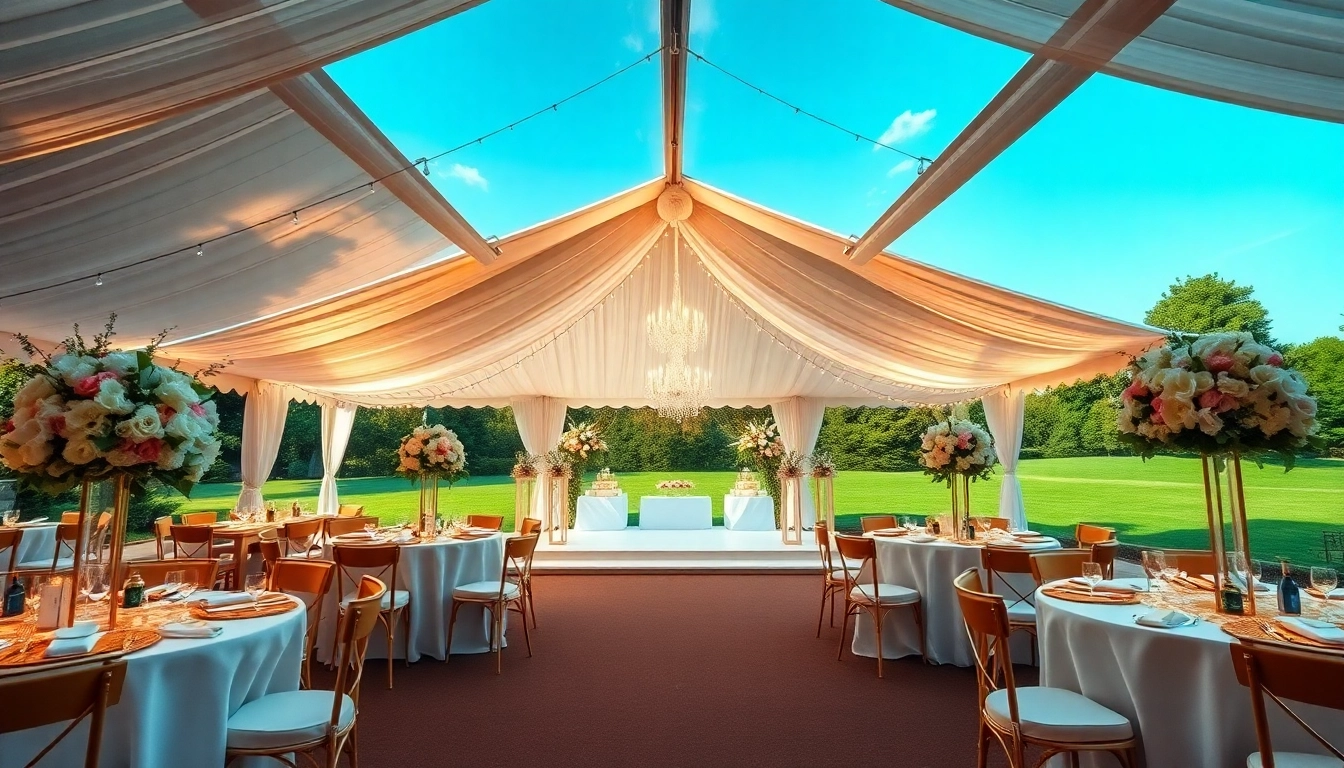
Different types of venues offer unique benefits and challenges. Hotels provide convenience with accommodations, while conference centers offer specialized spaces tailored for events. Outdoor venues can create a unique environment but require contingency plans for weather.
Consider your event goals when comparing venues. For example, if networking is a key objective, a venue that facilitates mingling should be prioritized.
Insider Tips for Venue Booking
When it’s time to book, act promptly once you have identified your ideal venue. Availability can be limited, especially during peak event seasons. It’s also wise to negotiate terms and pricing. Many venues have discretionary budget allowances they can work within, especially for large events.
Additionally, request a tour of the venue and ask for references or testimonials from previous clients. This firsthand insight can be invaluable in ensuring you choose the best location for your event.
Designing Event Layouts
The design of your event layout influences guest experience and flow. A meticulous approach to your floor plan can enhance engagement and comfort for attendees.
Creating an Effective Floor Plan
When designing a floor plan, consider traffic flow and accessibility. Avoid bottlenecks by ensuring clear pathways for guests, and place high-traffic areas, such as food stations and restrooms, strategically.
Additionally, consider the type of event when creating your layout. For example, a networking event may benefit from open spaces that encourage mingling, while a formal dinner may require set seating arrangements.
Choosing Decor Themes
Decor themes should resonate with your event purpose and audience. Whether you’re going for a sleek modern look or a whimsical celebration, your decor should create the desired ambiance. Incorporate elements such as lighting, table settings, and wall art that reflect the theme.
Use a cohesive color scheme and ensure that all decor complements each other to enhance the overall aesthetic appeal.
Seating Arrangements for Engagement
Seating arrangements can significantly impact the level of engagement and interaction among guests. For networking events, consider round tables that facilitate conversation. For presentations, theater-style seating may be more appropriate.
With social events, you can mix up seating arrangements to encourage mingling. Revisiting your goals can offer guidance on the most effective seating configuration for your audience.
Selecting Vendors and Services
Your choice of vendors plays a pivotal role in event execution, encompassing elements like catering, entertainment, and technical support.
Finding Trusted Suppliers
When selecting vendors, prioritize those with a solid reputation and extensive experience in the industry. Check reviews and request referrals to gauge their reliability and quality of service.
An effective way to identify potential suppliers is by attending industry exhibitions or networking events, which can provide leads on reputable vendors and help you establish personal connections.
Coordinating Food and Beverage
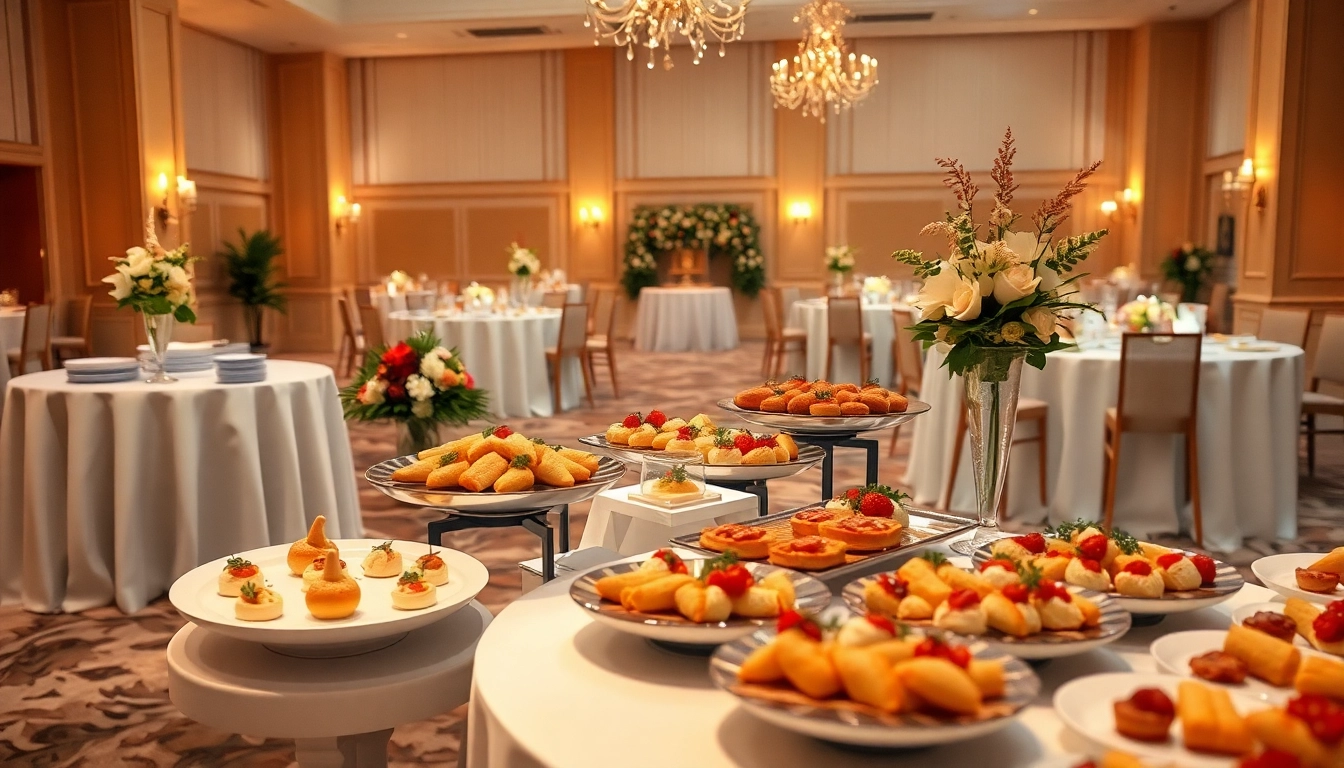
The quality of food and drink can make or break the guest experience. Be mindful of dietary restrictions and preferences when selecting menus. Offering a variety of options ensures inclusivity and satisfaction among attendees.
Consider hiring a caterer with experience in similar events to ensure both taste and presentation meet expectations. Prior to the event, organizing a tasting session can help finalize your selections.
Entertainment Options to Enhance Experience
Identifying suitable entertainment can set the tone for your event. Entertainment options can range from live music and guest speakers to interactive activities. Decide what aligns with your goals and audience preferences.
Incorporating unique entertainment can leave a lasting impression and ensure that attendees remember the event. During selection, keep your audience’s age group and interests in consideration.
Executing the Event
The success of an event is often determined on the day itself. Proper execution requires thoughtful coordination and attention to detail.
Day-of Coordination Essentials
On the day of the event, having a day-of coordinator can alleviate stress and ensure that everything runs smoothly. This person should have a detailed timeline and checklist to manage all aspects effectively.
Establish clear lines of communication among all vendors and volunteers to ensure that everyone is aware of their roles and responsibilities. A pre-event meeting can help clarify expectations and address potential challenges.
Handling Guest Needs
Throughout the event, prioritize guest satisfaction by being attentive and responsive to their needs. Assign staff to greet attendees and provide assistance wherever necessary. This level of care not only enhances the event experience but encourages positive feedback and referrals in the future.
Post-Event Follow-Up and Feedback
Once the event concludes, don’t overlook the importance of follow-up. Send thank-you notes to attendees, vendors, and sponsors as an expression of gratitude.
Soliciting feedback through surveys can provide valuable insights for future events. Understanding what worked well and where there’s room for improvement will enhance your planning process down the road.
FAQs
1. What is the best way to select a venue?
Consider your event goals, audience, and budget when choosing a venue to ensure it aligns with all your needs.
2. How far in advance should an event be planned?
Planning ideally should start at least 3 to 6 months before the actual event date to ensure everything runs smoothly.
3. What are key elements of event design?
Focus on floor layouts, decor themes, and guest flow to enhance engagement and overall attendee experience.
4. How can I choose the right catering service?
Assess menu flexibility, dietary options, and previous client reviews to ensure the caterer meets your standards.
5. What’s important for event day success?
Effective coordination and communication among your team and vendors are crucial for seamless execution on the day of the event.