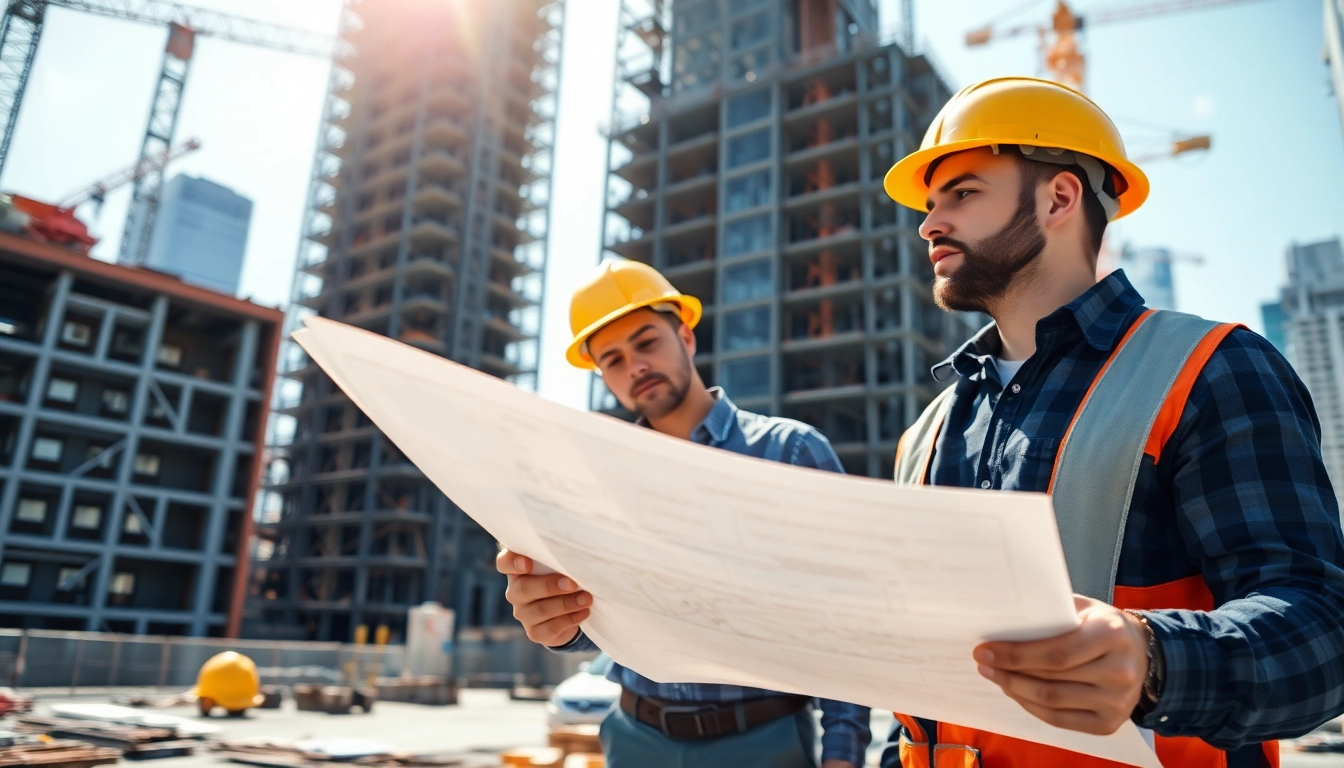
Understanding the Role of a New York City General Contractor
A general contractor acts as the cornerstone of any construction project, ensuring that design visions come to life while adhering to regulatory and budgetary constraints. In the bustling environment of New York City, a New York City General Contractor plays a critical role in coordinating various stakeholders, from architects to subcontractors, to guarantee efficient project delivery.
Core Responsibilities and Duties
The responsibilities of a general contractor in NYC are multifaceted. Primarily, they oversee the entire construction process, which includes:
- Project Planning: Developing a comprehensive project timeline and determining necessary materials and labor.
- Budget Management: Estimating costs and managing finances throughout the project to avoid overruns.
- Vendor Coordination: Hiring and supervising subcontractors and suppliers to ensure work quality and adherence to schedule.
- Permitting and Regulations: Navigating the permitting process and ensuring compliance with local building codes and regulations.
- Quality Assurance: Regularly inspecting construction work to ensure it meets both client expectations and building standards.
Essential Skills for Success
A successful New York City general contractor must possess a unique set of skills, including:
- Communication: Clear, effective communication with all parties involved in a project is essential for success.
- Problem-solving: The ability to quickly address issues as they arise, minimizing downtime and maintaining project momentum.
- Time Management: Balancing multiple projects and deadlines requires superior organizational skills.
- Financial Acumen: Understanding project budgets and identifying potential cost-saving measures.
- Technical Knowledge: Familiarity with construction methodologies, materials, and legal requirements is crucial.
Impact on Project Timelines
The effectiveness of a general contractor greatly influences the overall project timeline. Managing the scheduling of subcontractors, ensuring materials are delivered on time, and resolving unexpected issues are pivotal in keeping the project on track. A proactive contractor anticipates challenges and implements strategies to mitigate delays, ultimately leading to timely project completion.
Choosing the Right New York City General Contractor
Selecting the right general contractor is crucial for the success of any construction project. An informed choice can save time, money, and stress throughout the project lifecycle.
Assessing Qualifications and Experience
When evaluating potential general contractors, consider factors such as:
- Licensing and Certifications: Ensure the contractor holds the necessary licenses to operate in New York City, as well as any relevant certifications that demonstrate specialization in certain areas of construction.
- Experience in Similar Projects: A contractor with a track record of successfully completing projects similar in scope and complexity will be better equipped to handle your needs.
- Financial Stability: A contractor’s financial health is crucial for project continuity; check for stability in terms of credit ratings and history.
Verifying References and Reviews
Requesting and checking references can provide insights into a contractor’s reliability and work quality. Look for reviews from past clients, focusing on:
- Timeliness and adherence to project schedules.
- Quality of workmanship and attention to detail.
- Ability to manage budgets effectively.
- Communication style and responsiveness.
Understanding Pricing Structures
Pricing structures can vary significantly among general contractors. Familiarize yourself with common approaches, such as:
- Fixed Pricing: A set price for the entire project, which can help with budgeting but may lack flexibility for unforeseen changes.
- Cost-Plus: The contractor charges for the actual costs incurred plus a fee for their services, which can be more transparent but may result in fluctuating final costs.
- Time and Materials: Billing for actual time spent and materials used, which can be beneficial in projects with uncertain scope but requires strong oversight to prevent cost overruns.
Regulations and Compliance in New York
Building regulations and compliance are integral to construction projects in New York City. Familiarity with local codes can prevent costly delays and penalties.
Key Building Codes to Know
New York City’s construction industry adheres to strict building codes that cover everything from structural integrity to fire safety. Key codes include:
- The NYC Building Code: Outlines safety and performance standards for buildings.
- The Zoning Resolution: Dictates land use and building densities, significantly affecting project design and execution.
- Occupancy Codes: Defines regulations concerning how buildings can be used and by whom, impacting design and safety measures.
Permitting Process Overview
The permitting process in New York City can be complex, involving multiple stages:
- Pre-Application: Gathering necessary documentation and ensuring compliance with zoning regulations.
- Submission: Filling out the required forms and paying applicable fees for permit issuance.
- Review Process: City officials review applications for compliance with the Building Code and zoning laws.
- Issuance: Once approved, permits are issued, allowing construction to begin under specified guidelines.
Safety Standards in Construction
Safety is paramount in the construction industry. General contractors must ensure compliance with OSHA (Occupational Safety and Health Administration) regulations, including:
- Worksite Safety Plans: Developing comprehensive plans to mitigate risks and ensure worker safety.
- Training Programs: Providing ongoing safety education for workers to address hazards and proper use of equipment.
- Inspections: Conducting regular safety inspections to identify and correct potential safety violations.
Cost Management for General Contractors
Effective cost management is crucial for ensuring project profitability while maintaining high-quality standards.
Estimating Project Budgets
Accurate budgeting begins with a detailed understanding of project scope. Key steps include:
- Itemized Estimates: Breaking down costs into materials, labor, permits, and overhead to create a comprehensive budget.
- Market Research: Investigating current pricing for materials and labor to avoid unexpected financial surprises.
- Contingency Planning: Setting aside a percentage of the budget for unforeseen expenses ensures financial stability throughout the project.
Managing Change Orders Effectively
Change orders can significantly impact project timelines and budgets. To manage these effectively:
- Clear Documentation: Ensure all changes are documented with clear descriptions, costs, and impacts on the project schedule.
- Client Communication: Maintain an open line of communication with the client regarding changes and their implications.
- Revisiting Budgets: Adjust budgets and timelines promptly after a change order to reflect new scopes of work.
Mitigating Unexpected Expenses
Unexpected expenses can arise at any stage of a construction project. Strategies to mitigate these challenges include:
- Thorough Inspections: Conducting detailed pre-construction inspections can help identify potential issues early on.
- Regular Monitoring: Continuously track expenses and adjust forecasts to prevent budget blowouts.
- Supplier Relationships: Establishing solid relationships with suppliers can lead to better pricing and availability, ultimately reducing costs.
Trends Shaping the Future of General Contracting
The landscape of construction is ever-changing, influenced by societal innovation and environmental concerns. Staying updated on these trends is vital for success.
Sustainability Practices in Construction
There’s a growing demand for sustainable construction practices, which focus on:
- Green Building Materials: Utilizing sustainable materials that minimize environmental impact and enhance building efficiency.
- Energy Efficiency: Implementing designs and technologies that reduce energy consumption during operation.
- Waste Reduction: Adopting practices that minimize construction waste through recycling and efficient resource management.
Technological Innovations in the Industry
Technological advancements are reshaping the construction industry. Innovations include:
- BIM (Building Information Modeling): Facilitates better collaboration and visualization, reducing errors and omissions during construction.
- Drones: Used for site surveys, inspections, and monitoring project progress from an aerial perspective.
- Mobile Applications: Streamlining communication and project management processes through real-time data access.
Emerging Design Trends
Design trends continue to evolve, influenced by consumer preferences and advancements in materials. Current emerging trends include:
- Minimalist Designs: A focus on simplicity and functionality, appealing to urban dwellers looking for tranquility amidst city chaos.
- Smart Homes: Integration of smart technologies that enhance convenience, security, and energy management.
- Adaptive Reuse: Renovating existing structures for new purposes, preserving historical elements while modernizing functionality.
FAQs
What qualifications should a New York City general contractor have?
A general contractor should have relevant licenses, certifications, and significant experience in handling similar projects. Strong organizational and communication skills are also essential.
How do I know if a contractor is reliable?
Look for verified references, online reviews, and evidence of past successful projects. Conducting background checks can also provide valuable insights into a contractor’s reliability.
What is the average cost of hiring a general contractor in NYC?
The cost varies widely based on project scope and complexity. Typically, contractors may charge between 10-20% of total project costs, but this can depend on the pricing model.
How can I manage project changes effectively?
Document all changes meticulously, communicate them clearly with clients, and adjust budgets and timelines promptly to minimize the impact of change orders.
Are there sustainable construction practices in New York City?
Yes, many contractors are adopting green building materials, energy-efficient techniques, and waste reduction practices to promote sustainability in construction projects.