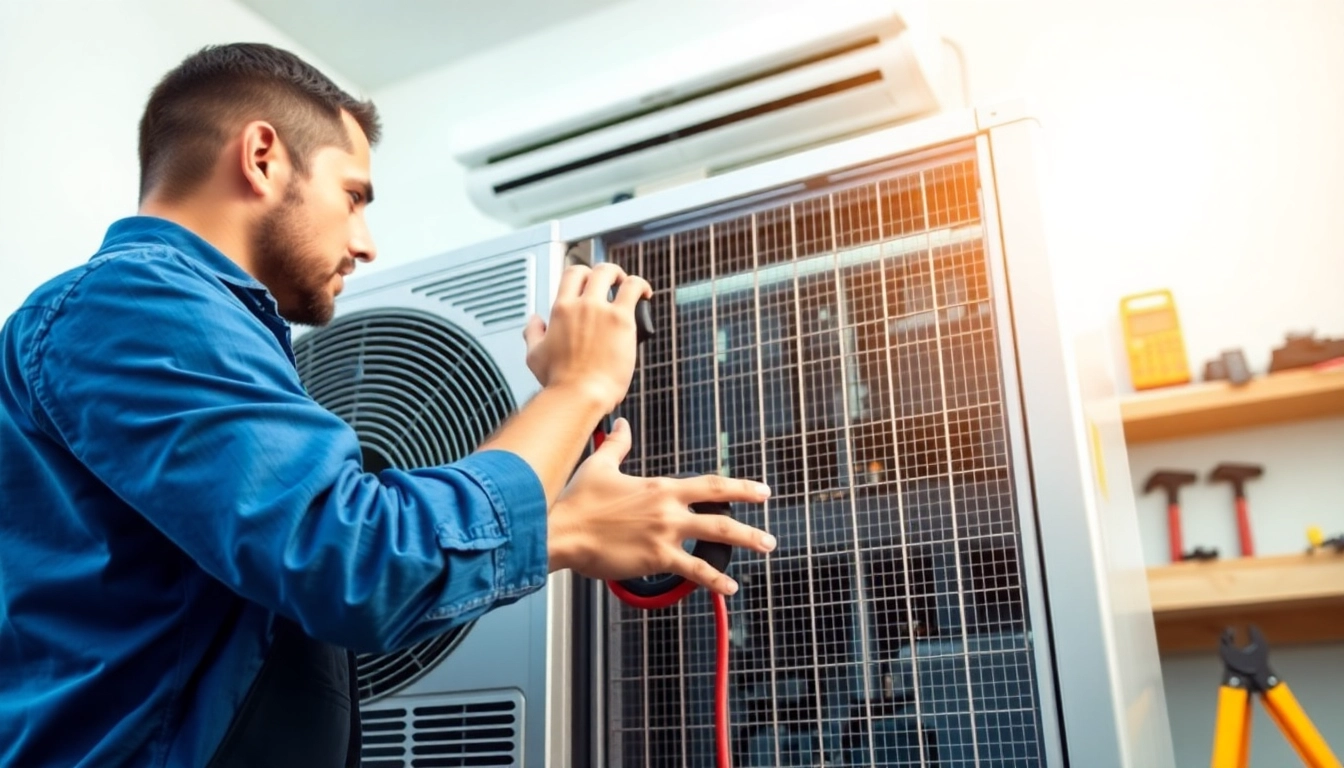
Understanding Air Conditioning Systems
Types of Air Conditioning Systems
Air conditioning units come in various configurations, each suited for specific needs and environments. The most common types include:
- Central Air Conditioning: Ideal for larger homes, this system uses a network of ducts to distribute cooled air throughout the residence. It’s efficient but requires regular maintenance for optimal operation.
- Window Air Conditioners: Suitable for smaller spaces, these units are installed in windows and are perfect for cooling individual rooms. They are easy to install and remove but may not be as energy-efficient as central systems.
- Split Systems: These consist of an indoor and an outdoor unit, which work together without the need for ductwork. They are energy-efficient, quiet, and perfect for homes without existing duct systems.
- Portable Air Conditioners: These mobile units can be moved from room to room, providing flexibility. While convenient, they typically have a lower cooling capacity and can be less energy-efficient.
How Air Conditioning Works
Air conditioning systems function using a refrigeration cycle. The basic process involves:
- Evaporation: Refrigerant absorbs heat from the indoor air as it evaporates within the evaporator coil.
- Compression: The compressor then compresses the gaseous refrigerant, raising its temperature and pressure.
- Condensation: The hot gas passes through the condenser coil, releasing heat to the outside and condensing into a liquid.
- Expansion: Finally, the refrigerant expands, lowering its pressure and temperature as it returns to the evaporator, starting the cycle anew.
Common Air Conditioning Components
To understand how to maintain your system, it’s essential to know its key parts. Common components include:
- Compressor: Often termed the heart of the system, it pumps the refrigerant and facilitates heat exchange.
- Evaporator Coil: This is where heat is absorbed, and the air is cooled before entering your living space.
- Condenser Coil: Located outside, it removes heat from the refrigerant before it returns to the evaporator.
- Expansion Valve: This regulates the flow of refrigerant into the evaporator coil, ensuring efficient cooling.
Signs You Need Air Conditioning Repair Tampa
Unusual Noises from Your AC
If your air conditioning unit is making strange noises—like banging, clanking, or hissing—it’s an important sign that something’s wrong. These sounds might indicate loose components, debris in the system, or problems with the fan or compressor. Addressing these issues early can prevent further damage and costly repairs.
Inconsistent Temperature Control
Another common indicator that your system may require Air Conditioning Repair Tampa is inconsistent cooling. If certain rooms are warmer or colder than others, it may suggest airflow issues, duct problems, or a malfunctioning thermostat.
Increased Energy Bills
Notice a sudden spike in your energy bills? This could signify that your AC unit is working harder than usual due to inefficiencies. Potential causes include dirty filters, faulty components, or an aging system that needs repair or replacement. Regular maintenance is key to ensuring efficiency and saving money in the long run.
Choosing the Right HVAC Technician
Qualifications and Certifications
When it comes to HVAC repairs, having a qualified technician is paramount. Look for specialists who have certifications from recognized organizations, such as NATE (North American Technician Excellence) or other relevant state licenses. These credentials ensure that the technician is knowledgeable about industry standards and practices.
Customer Reviews and Recommendations
Word of mouth and online reviews can provide valuable insights into a technician’s reputation. Check trusted platforms to see customer experiences, service quality, and response times. Recommendations from family and friends can also guide you in selecting a reliable HVAC professional.
Service Guarantees and Warranties
Reputable HVAC technicians often provide service guarantees or warranties. These offers show confidence in their work and can protect you from additional costs if issues arise after a repair. Always discuss these guarantees before hiring a technician to ensure you’re covered in case of future problems.
Air Conditioning Maintenance Tips
Regular Filter Replacement
Replacing your air filters regularly—typically every 1-3 months—is one of the simplest yet most effective ways to maintain your air conditioning system. This ensures that airflow isn’t restricted, which can lead to inefficient cooling and increased energy usage.
Seasonal Professional Inspections
Scheduling professional inspections at the beginning of each cooling season is essential for extending the life of your AC unit. During these inspections, technicians can identify potential issues before they escalate, ensuring your system operates optimally when needed most.
Tips for Optimal System Performance
Beyond professional help, homeowners can take specific steps to boost their air conditioning unit’s performance, such as:
- Keep the outdoor unit free of debris and vegetation for adequate airflow.
- Use ceiling fans to help circulate cool air more efficiently.
- Seal any gaps or leaks in your home’s insulation to maintain temperature control.
FAQs About Air Conditioning Repair Tampa
What are the most common AC problems?
Common AC issues include refrigerant leaks, faulty thermostats, compressor failures, and electrical issues. It’s essential to address these problems promptly to avoid costly repairs.
How often should I schedule maintenance?
It’s recommended to schedule professional maintenance at least once a year, ideally before the cooling season begins. This can help identify and resolve potential issues.
Can I perform simple repairs myself?
While some basic tasks, like replacing filters or cleaning the outdoor unit, can be done by homeowners, it’s advisable to consult a professional for more complex repairs to avoid causing damage.
What should I do if my AC unit isn’t cooling?
If your AC unit isn’t cooling properly, first check your thermostat settings, filters, and ensure the outdoor unit is clear of debris. If issues persist, contact a professional technician.
How can I improve my AC’s efficiency?
Improving AC efficiency can be achieved through regular maintenance, sealing leaks in your home, utilizing ceiling fans, and ensuring that your system is the appropriately sized for your space.