Understanding Model Rockets: The Basics
Model rocketry is an exciting hobby that combines science, engineering, and creativity. Whether you are a beginner, an educator, or a seasoned rocketeer, understanding the fundamentals of model rockets is crucial for a successful experience. In the UK, the popularity of model rockets has surged, and with a wide variety of model rockets available, everyone can find a suitable option to explore.
What Are Model Rockets?
Model rockets are scaled-down versions of full-sized rockets that are designed for safe flight and recovery. They are powered by solid fuel rocket motors and can reach impressive altitudes, often several hundred meters high. The beauty of model rocketry lies not just in the thrill of launching, but also in the intricate design and building process, which allows enthusiasts to engage with various principles of physics and engineering.
Components of a Model Rocket
A typical model rocket consists of several key components:
- Rocket Body (Airframe): The body tube that houses the rocket’s internal components.
- Nose Cone: The pointed top section that reduces aerodynamic drag.
- Fins: Stabilizers at the base that help maintain flight stability.
- Recovery System: Typically a parachute or streamer that slows the rocket’s descent for safe recovery.
- Rocket Motor: The engine that provides thrust for launch.
- Igniter: A device that initiates the rocket motor’s fuel combustion.
History and Evolution of Model Rockets
The history of model rocketry began in the 1940s when hobbyists and educators sought to create safe and affordable rocket models. The launch of the first commercially available model rocket kits by companies like Estes in the 1960s made rocketry accessible to a broader audience. Over the decades, innovations in materials and technology have led to increased safety and performance, making model rocketry a popular educational and recreational activity.
Choosing the Right Model Rocket Kit
When embarking on your model rocketry journey, selecting the right kit is essential. With a plethora of options available, it’s important to consider factors such as skill level, educational purpose, and specific requirements.
Factors to Consider When Buying
- Skill Level: Consider whether you are a beginner or an experienced builder. Starter kits often include easy-to-follow instructions and all necessary components.
- Purpose: Are you using the rocket for educational purposes, a school project, or as a hobby? This will influence your choice of kit and materials.
- Recovery Systems: Ensure the kit includes a reliable recovery mechanism, which is crucial for the safe return of the rocket.
- Motor Compatibility: Check which motors are compatible with your kit and ensure they are easily available.
Top Model Rocket Kits for Beginners
For those just starting out, the following kits are highly recommended:
- Sky Piercer Starter Set: This ready-to-fly model rocket kit includes motors and is perfect for novice rocketeers.
- Star Chaser Team Class Pack: A great option for educational settings, this pack includes ten model rocket kits allowing group projects.
- Beginner Model Rocket Kits: Various manufacturers offer kits specially designed for beginners with everything needed for a successful launch.
Educational Kits for Schools and STEM Programs
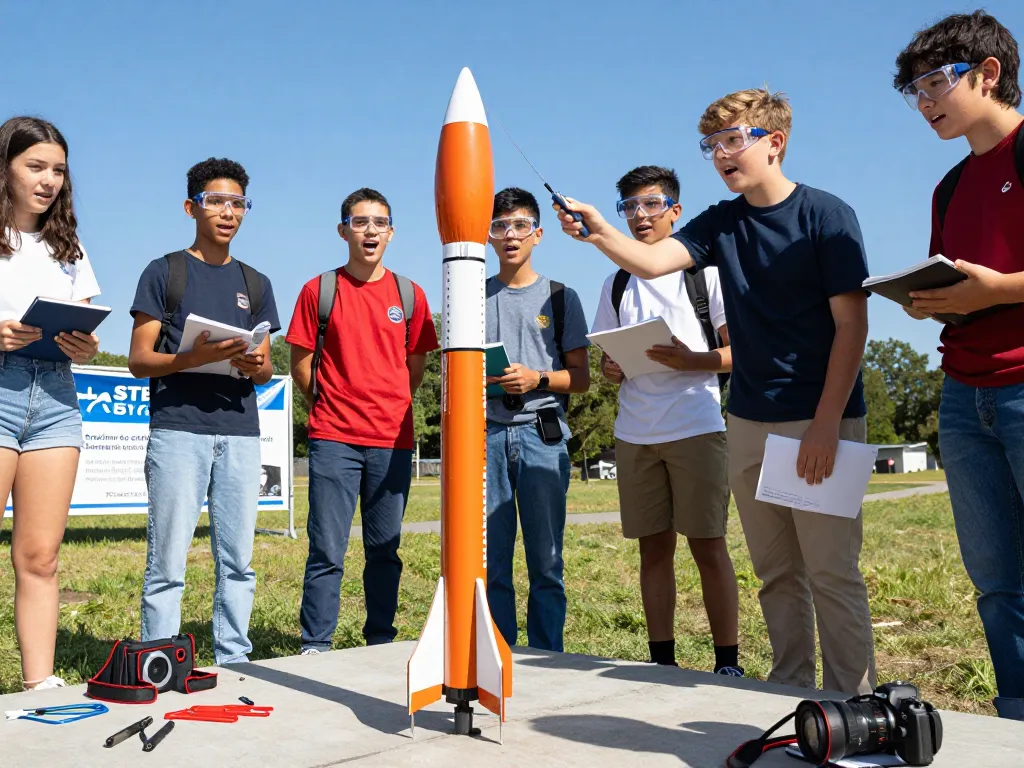
Model rocketry is an excellent tool for STEM education, promoting engagement in science and engineering concepts. Kits designed for schools often include extensive lesson plans and materials to assist educators in teaching about aerodynamics, physics, and teamwork. Look for kits that provide detailed instructions and safety guidelines, making them ideal for classroom use.
Safety Guidelines for Launching Model Rockets
Safety is paramount in model rocketry. Following established guidelines ensures a safe and enjoyable experience for all participants.
Pre-Launch Safety Checklist
- Ensure the launch area is clear of large crowds and structures.
- Check weather conditions; avoid launching in windy or rainy weather.
- Verify that all equipment is functioning correctly, including igniters and launch pads.
- Obtain permission for the use of the launch site, especially if it’s private property.
Common Safety Mistakes to Avoid
Even experienced rocketeers can fall victim to safety oversights. Here are common mistakes to avoid:
- Neglecting to secure a clear launch zone.
- Using faulty or expired rocket motors.
- Ignoring safety distances when launching.
- Overlooking the importance of adult supervision, particularly with young enthusiasts.
Recommended Launch Areas in the UK
Finding the right venue can make or break your launch experience. Here are some recommended places for launching model rockets in the UK:
- Open fields away from buildings and roads.
- Parks specifically designated for model rocketry.
- Allotments or community spaces where others are also involved in rocketry.
Maintaining Your Model Rockets for Peak Performance
Proper maintenance is key to the longevity and performance of your model rockets. Here are essential tips to keep them in flight-ready condition.
Storing and Caring for Your Rockets
Model rockets should be stored in a dry and stable environment to prevent damage from moisture or temperature fluctuations. Here are some tips:
- Keep rockets upright and secure to avoid damage to fins and other components.
- Store rocket motors according to manufacturer guidelines; avoid storing them in extreme temperatures.
- Regularly inspect the rockets for any signs of wear or damage.
Common Issues with Model Rocket Motors
Model rocket motors can encounter issues that may affect performance. Understanding these common problems can help mitigate risks:
- Misfires: Often caused by electrical connection issues, installation errors, or wet conditions.
- Unstable Flight: Can result from improper weight distribution or insufficient fin stability.
- Poor Recovery: May occur if the recovery system fails or is incorrectly deployed.
How to Troubleshoot Launch Failures
Launch failures can be disheartening, but they provide learning opportunities. Here are steps to troubleshoot:
- Check all components to ensure everything is securely attached and in order.
- Inspect igniters and electrical connections for proper functionality.
- Evaluate weather conditions, as they can significantly impact launches.
The Future of Model Rocketry: Trends for 2026 and Beyond
As technology evolves, so too does model rocketry. The future looks bright with innovations enhancing safety and performance.
Innovations in Rocket Design and Materials
Advancements in materials science are leading to lighter and more durable rocket designs. Carbon fiber and advanced composites are increasingly used, providing greater strength without added weight. These innovations enhance performance and allow for more ambitious designs.
Integration of Technology in Model Rockets
The integration of technology, such as GPS and telemetry systems, is becoming more common. These systems allow for real-time data tracking, providing enthusiasts with insights into flight patterns and performance, which can be invaluable for both hobbyists and educational purposes.
Promoting Rocketry Education in Schools
There is a growing emphasis on using model rocketry to foster interest in STEM fields among students. Programs that promote rocketry in schools encourage hands-on learning, allowing students to engage in practical applications of theoretical concepts. With increased support from educational organizations and manufacturers, the future of rocketry education is strong.