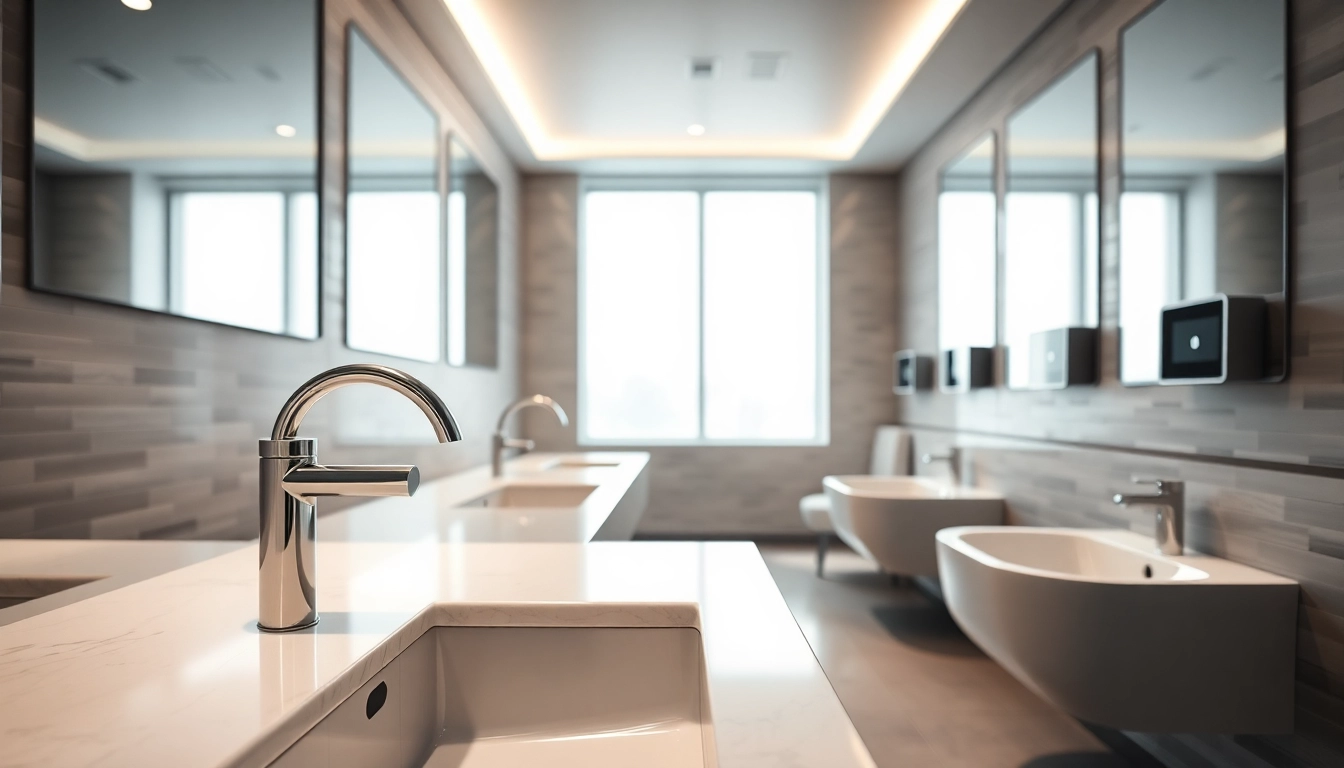
Understanding Commercial Washroom Refurbishment
Definition and Importance
Commercial washroom refurbishment refers to the process of revamping and updating restroom facilities in commercial spaces such as offices, hotels, restaurants, and other business venues. This design-driven endeavor plays a crucial role in enhancing user experience, promoting hygiene, and reflecting the brand’s image. Given that washrooms are heavily trafficked areas, a well-executed refurbishment can significantly influence customer satisfaction and employee morale.
Businesses increasingly recognize that the state of their washrooms can affect their overall reputation. Modern, clean, and thoughtfully designed washrooms convey professionalism; they also create a welcoming atmosphere. Investing in commercial washroom refurbishment is essential for retaining clients and ensuring employee comfort, which in turn can lead to heightened productivity and loyalty. You can learn more about how to enhance your spaces through commercial washroom refurbishment.
Common Misconceptions
There are several misconceptions surrounding commercial washroom refurbishment that can lead to misguided decisions. One prevalent myth is that refurbishment is solely concerned with aesthetics; while visual appeal is essential, functional upgrades—such as improved plumbing, ventilation, and accessibility—are just as critical. Another common misconception is that refurbishment is only needed for older establishments. In reality, even new designs can become outdated or misaligned with a company’s evolving brand or sustainability goals. Understanding these misconceptions helps businesses make informed decisions about their washroom facilities.
Regulatory Considerations
When undertaking commercial washroom refurbishment, it’s imperative to understand the regulatory framework that governs restroom facilities. Building codes and health regulations vary by location, but common requirements include accessibility standards (e.g., ADA compliance), plumbing specifications, and sanitation guidelines. Non-compliance can result in costly fines and reputational damage. Before beginning refurbishment, consulting with professionals familiar with local regulations can help ensure that all aspects of the project are compliant, thus protecting the business in the long run.
Planning Your Commercial Washroom Refurbishment
Budgeting for Your Project
Creating a budget is one of the foundational steps of planning a commercial washroom refurbishment. The budget should encompass all elements, including design fees, contractor costs, materials, labor, and unexpected expenses. A well-structured budget provides clarity and prevents overspending, ensuring that the project aligns with financial allocations.
To set a realistic budget, conduct research on material costs, labor rates, and potential hidden expenses. Engaging stakeholders—such as finance teams, project managers, and design professionals—can further refine estimates and identify cost-effective solutions without compromising quality.
Identifying Key Objectives
Establishing clear objectives is paramount when planning a refurbishment. These objectives may include enhancing usability, improving sustainability, and aligning with brand identity. For instance, a restaurant may prioritize a design that facilitates high foot traffic and easy cleaning, whereas an office might focus on creating a tranquil environment that enhances employee well-being.
Involving stakeholders in identifying objectives—inclusive of employees who frequently use the restrooms—can lead to a design that accommodates diverse needs and preferences. This collaborative approach promotes a sense of ownership and satisfaction in the final outcome.
Choosing the Right Materials
Material selection can make a significant difference in both aesthetics and functionality during the refurbishment process. It’s crucial to choose materials that are durable, water-resistant, and easy to maintain, as washrooms are exposed to moisture and require high levels of cleanliness.
Modern materials such as porcelain tiles, quartz countertops, and antimicrobial fittings are excellent choices, combining longevity with elegance. Additionally, sustainable materials—such as recycled glass and low-flow fixtures—can align a refurbishment with environmental goals, contributing to greater energy and water efficiency.
Top Trends in Commercial Washroom Refurbishment
Sustainability in Design
As environmental concerns become more pressing, sustainability is a driving force in washroom refurbishment design. Businesses are increasingly opting for eco-friendly materials and fixtures that minimize resource consumption. This involves using low-flow toilets and faucets, energy-efficient lighting, and sustainable building materials.
Implementing sustainable practices not only reduces an organization’s environmental footprint but also appeals to environmentally conscious consumers and employees. It creates a positive company image while providing potential cost savings over time through reduced utility bills.
Innovative Technology Integration
The integration of innovative technology is reshaping the commercial washroom experience. Facilities are adopting touchless fixtures, smart hand dryers, and occupancy sensors to enhance user convenience and hygiene. Mobile apps that monitor cleanliness levels and maintenance schedules are also gaining traction, allowing businesses to maintain high standards efficiently.
These high-tech solutions not only improve user experience but also streamline facility management, making refurbishment investments more beneficial over the long term.
Inclusive Design Principles
Inclusivity in washroom design is a crucial consideration that reflects a commitment to accessibility for all individuals. This involves designing facilities that can be navigated and used comfortably by those with disabilities, pregnant individuals, and parents with children. Elements such as wider entry points, grab bars, and mother-and-baby facilities represent best practices in inclusive design.
Going beyond regulatory requirements to create inviting spaces contributes to a positive atmosphere, showcasing that a company values all visitors and employees.
Executing a Successful Refurbishment
Hiring the Right Contractors
Choosing the right contractors is pivotal for a successful commercial washroom refurbishment. Contractors should have a proven track record in renovation projects, particularly in commercial settings. It’s advisable to review their portfolio, check references, and verify any certifications or licenses.
A collaborative relationship with contractors helps ensure that the project runs smoothly. Clear communication regarding expectations, timelines, and budget constraints can mitigate risks and foster a solution-oriented mindset that benefits everyone involved.
Timeline Management Tips
Effective timeline management can significantly impact the success and efficiency of a refurbishment project. Developing a realistic timeline that incorporates various phases—such as design, construction, and inspection—helps all stakeholders stay aligned.
Consistent communication and regular meetings help identify delays early, enabling proactive problem-solving before issues escalate. Using project management tools to visualize timelines can facilitate accountability and transparency throughout the process.
Quality Assurance Practices
Quality assurance is critical during commercial washroom refurbishment to ensure that every detail is executed to a high standard. Regular inspections during construction help address potential issues promptly, and hiring experienced quality inspectors can lend an objective viewpoint.
Establishing clear quality benchmarks early on allows everyone involved to have a mutual understanding of success criteria. These practices ultimately contribute to a polished, professional final product that meets both aesthetic and functional requirements.
Measuring Success Post-Refurbishment
Client Feedback and Satisfaction
To truly evaluate the success of a commercial washroom refurbishment, obtaining client feedback is essential. Surveys, focus groups, and direct conversations with users provide insights into satisfaction levels and identify areas for improvement. Gather feedback on cleanliness, accessibility, usability, and overall aesthetics.
Acting on feedback shows a commitment to continuous improvement, which can enhance customer loyalty and foster positive word-of-mouth referrals. This practice also creates a culture of responsiveness, uniting employees and management in producing the best experiences for all facility users.
Performance Metrics to Track
Tracking performance metrics is vital to evaluate the refurbishment project’s impact. Metrics might include changes in restroom usage frequency, customer satisfaction ratings, and even operational costs related to maintenance. Benchmarking these metrics pre- and post-refurbishment provides insights into the project’s return on investment.
Investing time in analysis can facilitate informed decision-making about future upgrades, maintenance schedules, and budgeting for other facility enhancements, fostering a proactive approach to property management.
Future Maintenance Considerations
Maintenance planning is crucial to prolonging the life of refurbished commercial washrooms. Establishing a maintenance schedule that includes regular cleaning, inspection, and necessary repairs ensures that facilities remain in peak condition.
Knowing the materials used during refurbishment aids in creating an effective maintenance plan tailored to their unique requirements. By staying proactive in maintenance, businesses can maintain the integrity and attractiveness of their washrooms for years to come.
FAQs
What is commercial washroom refurbishment?
Commercial washroom refurbishment is the process of updating and improving restroom facilities in commercial venues to enhance user experience and align with modern standards.
How much does a washroom refurbishment typically cost?
The cost varies widely based on the project’s scope, size, materials, and labor, making proper budgeting essential prior to starting the refurbishment.
What are key features to consider in washroom design?
Key features include accessibility, durability of materials, sustainability, and layout that facilitates ease of use by all users.
How long does a refurbishment project take?
The duration depends on the scale of the project; smaller refurbishments may take a few weeks, while larger projects could take several months to complete.
Why is sustainability important in refurbishment?
Sustainability reduces environmental impact, aligns with corporate responsibility goals, and can lead to long-term cost savings through efficient resource use.