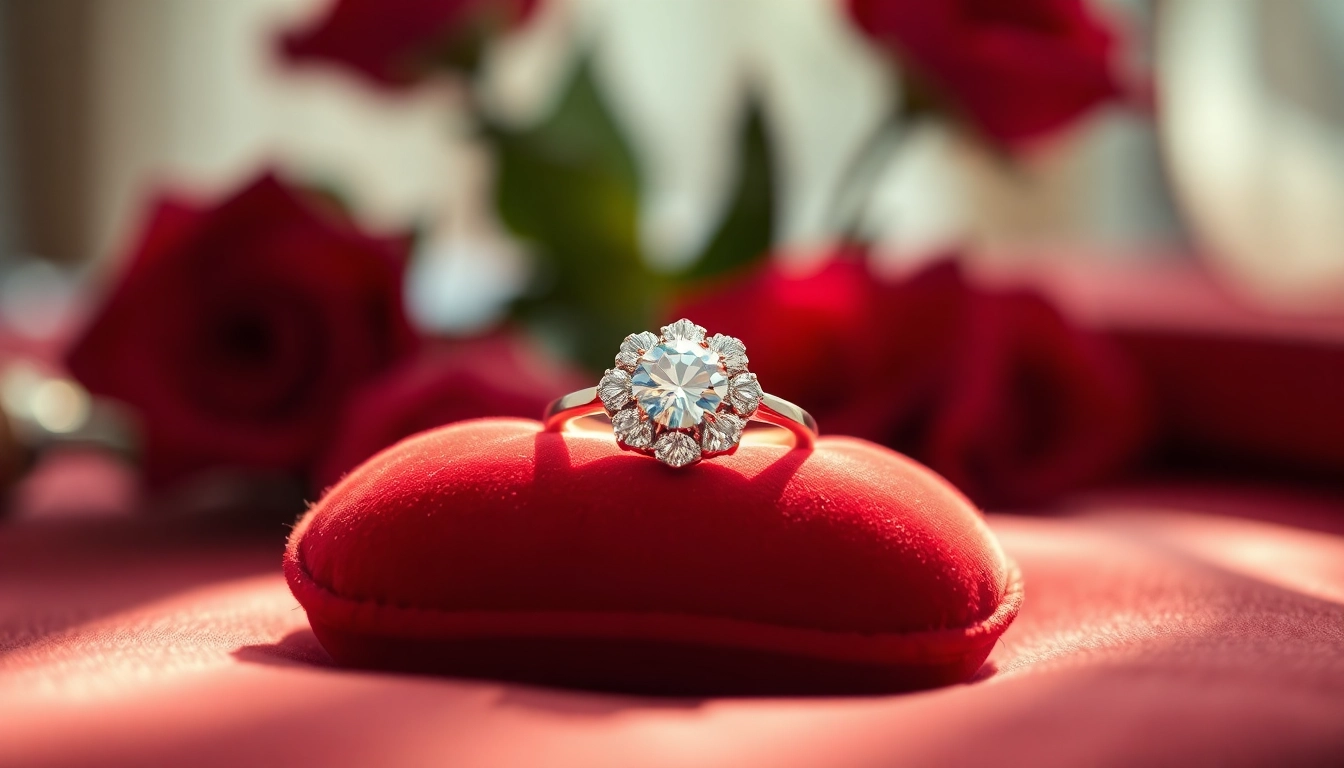
Understanding Sustainable Jewellery: What Sets It Apart?
In recent years, the jewellery industry has undergone significant changes, driving the demand for sustainable jewellery uk. This rising concern revolves around ethical practices, environmental impact, and the materials that are used in crafting jewellery. As eco-conscious consumers become increasingly aware of the consequences of their purchases, brands that prioritize sustainability are capturing a growing market share. Understanding the nuances of sustainable jewellery is essential for consumers who wish to make informed decisions about their adornments.
Defining Sustainable Jewellery in the UK Market
Sustainable jewellery refers to pieces that are made with consideration for environmental, social, and ethical factors. This includes using recycled materials, ensuring fair labor practices, and minimizing waste in production processes. In the UK, brands are particularly focused on creating jewellery that not only stands the test of time in terms of style but also in terms of environmental footprint. The concept encompasses both fine jewellery and costume pieces, allowing a broad spectrum of consumers to participate in the sustainability movement.
Key Materials and Ethical Sourcing Practices
The sustainability narrative begins with the choice of materials. Eco-friendly jewellery brands often utilize recycled metals, ethically sourced stones, and lab-grown diamonds. For instance, many brands in the UK, including Dainty London, emphasize the importance of sourcing materials that minimize harm to both the planet and its people. They often use recycled gold and silver, which not only reduces the demand for newly mined materials but also lessens the carbon footprint associated with mining activities. Ethical sourcing additionally means ensuring that gemstones are mined under fair labor conditions, safeguarding the rights and safety of workers involved in the process.
Environmental Impact of Traditional vs. Sustainable Jewellery
Traditional jewellery production is often associated with a heavy environmental impact, including deforestation, water pollution, and harmful mining practices. For instance, the mining of precious metals and stones can lead to severe ecological disruption in regions where these resources are extracted. In contrast, sustainable jewellery brands are committed to reducing their environmental impact by adopting practices that promote recycling, reduce carbon emissions, and protect biodiversity. By choosing sustainable jewellery, consumers can significantly reduce their ecological footprint while supporting more environmentally-friendly practices.
The Rise of Sustainable Jewellery in 2026
As we navigate through 2026, the momentum behind sustainable jewellery continues to grow, fueled by changing consumer attitudes and advancements in ethical practices. More customers are prioritizing brands that reflect their personal values and support an eco-conscious lifestyle.
Current Trends Influencing Consumer Preferences
In 2026, there are several trends influencing the sustainable jewellery landscape. For example, the rise of conscious consumerism has led to a demand for transparency from brands. Consumers want to know where their jewellery comes from, who made it, and how it was produced. Furthermore, younger generations, particularly Millennials and Gen Z, are more likely to seek out brands that demonstrate a commitment to sustainability, making ethical sourcing a key selling point for many jewellery companies.
How Brands Like Dainty London Lead the Way
Brands such as Dainty London have become leaders in the sustainable jewellery market by combining exquisite design with ethical practices. Their collections are often inspired by nature, incorporating elements that resonate with the beauty of the environment. Dainty London not only uses sustainable materials but also employs local artisans, ensuring that each piece of jewellery is crafted with care and precision. This approach not only supports local economies but also reduces the carbon footprint associated with shipping materials across the globe.
Emerging Sustainable Practices in the Jewellery Industry
As the jewellery industry continues to evolve, several emerging practices are setting new benchmarks for sustainability. For instance, some brands are adopting zero-waste philosophies, ensuring that every scrap of material is utilized in some way. Others are exploring innovative business models, such as jewellery subscription services that encourage customers to return old or unwanted pieces in exchange for new ones. These practices not only foster sustainability but also promote a circular economy within the jewellery sector.
Choosing the Right Sustainable Jewellery for You
When exploring sustainable jewellery options, it’s vital to assess not only the aesthetic qualities of the pieces but also aspects like craftsmanship, material source, and brand transparency. Here are key considerations to enhance your shopping experience.
Assessing Quality and Craftsmanship in Sustainable Pieces
Quality and craftsmanship are hallmarks of sustainable jewellery. When selecting a piece, pay attention to the materials used and the techniques employed in its creation. High-quality sustainable jewellery is often handcrafted, showcasing the skill and passion of the artisans behind it. For instance, many brands provide detailed information on their website about the sourcing of their materials and the artisans they collaborate with, allowing consumers to make informed choices.
Understanding Certification and Brand Claims
Certification plays an essential role in verifying a brand’s sustainability claims. Look for certifications that indicate ethical practices, such as Fair Trade, Responsible Jewellery Council (RJC) certification, or recycled content claims. These certifications provide assurance that the jewellery adheres to established environmental and ethical standards, giving you peace of mind with your purchase.
How to Identify Genuine Sustainable Brands
Identifying truly sustainable brands can sometimes be challenging due to greenwashing—the practice of misleading consumers about the environmental benefits of a product. To ensure that a brand is genuinely committed to sustainability, conduct thorough research. Check for transparency in their supply chain, read customer reviews, and seek out any third-party certifications that can validate their claims. Furthermore, engaging with the brand on social media or their website can provide insights into their values and commitments.
Styling Sustainable Jewellery: Tips and Ideas
Once you’ve chosen your sustainable jewellery, the next step is to style it beautifully with your wardrobe. Sustainable jewellery can enhance and elevate various looks, and it can be worn in numerous ways.
Creating Versatile Looks with Sustainable Accessories
Sustainable jewellery is inherently versatile and can be styled in various ways to suit different occasions. For example, layering necklaces of varying lengths with pendants can create a bohemian aesthetic, while wearing statement earrings can transform a simple outfit into something extraordinary. Mix and match pieces made of different materials like gold and silver to create unique combinations that reflect your personality.
Pairing Sustainable Jewellery with Everyday Fashion
Incorporating sustainable jewellery into your everyday fashion can be both practical and stylish. For casual outings, consider dainty rings or delicate bracelets that add a hint of sparkle without overpowering your look. On workdays, opt for stud earrings or minimalist necklaces that offer a touch of elegance, making you feel confident and put together. The key is to select pieces that resonate with your personal style and can be easily integrated into your wardrobe.
Incorporating Sustainable Pieces into Special Occasions
When it comes to special occasions, sustainable jewellery can make a memorable statement. For weddings or formal events, consider wearing eye-catching pieces like chandelier earrings or bold cocktail rings crafted from sustainable materials. These not only add elegance but also align with eco-conscious values, allowing you to shine brightly while making a positive impact.
Future Considerations in Sustainable Jewellery Practices
The sustainable jewellery movement is continuously evolving, and various factors are set to influence how the industry develops in the coming years. Keeping an eye on emerging trends and regulatory changes will be crucial for both brands and consumers.
Regulatory Changes and Their Impact on the Industry
As environmental awareness grows, it is likely that regulations regarding sustainable practices will become more stringent. Governments around the world may introduce policies aimed at reducing waste and encouraging responsible sourcing. Such regulations could positively impact the jewellery industry, pushing brands to adopt more sustainable methods and making it easier for consumers to identify genuinely eco-friendly options.
The Role of Technology in Sustainable Design
Advancements in technology are also playing a significant role in the sustainable jewellery movement. For example, innovations in 3D printing allow for more efficient use of materials, minimizing waste during production. Furthermore, technology is enabling brands to trace the origins of materials accurately, giving consumers peace of mind when it comes to sustainability claims. As these technologies continue to develop, we can expect them to shape the future of sustainable jewellery significantly.
Predictions for Sustainable Jewellery in 2027 and Beyond
Looking ahead to 2027 and beyond, the sustainable jewellery market is poised for growth. As consumers become increasingly conscious of their purchasing decisions, the demand for ethically sourced and eco-friendly jewellery will likely rise. Brands that adopt sustainable practices will not only appeal to eco-conscious shoppers but will also pave the way for the future of the industry. Eco-innovation, transparency, and ethical labor practices are set to define the next era of jewellery, making it a more responsible choice for consumers everywhere.
What is sustainable jewellery?
Sustainable jewellery is crafted using eco-friendly materials and ethical practices, ensuring minimal harm to the environment and fair treatment of workers in the supply chain. It emphasizes quality and longevity, allowing consumers to make conscientious choices.
How does sustainable jewellery impact the environment?
Sustainable jewellery minimizes environmental impact by using recycled materials, reducing carbon emissions, and preventing harmful mining practices. This helps preserve ecosystems and promote responsible sourcing.
Which brands are best for sustainable jewellery in the UK?
Leading brands in the UK that focus on sustainable jewellery include Dainty London, Wild Fawn, and Monica Vinader, each known for their commitment to ethical sourcing and eco-friendly practices.
Is sustainable jewellery more expensive than traditional jewellery?
While sustainable jewellery may have a higher upfront cost due to ethical sourcing and quality craftsmanship, it often provides better long-term value due to its durability and timeless design.
How can I verify a jewellery brand’s sustainability claims?
To verify a jewellery brand’s sustainability claims, check for certifications, research their sourcing practices, and look for transparency in their business operations. Customer reviews can also provide insight into a brand’s commitment to sustainability.