Understanding the IA +18 Bicycle Box Concept
The IA +18 bicycle box has emerged as a crucial innovation in urban transportation, aimed at improving the safety and efficiency of cyclists at busy intersections. This design feature is more than just a traffic regulation; it represents a broader commitment to sustainable urban planning and the integration of cycling into the fabric of daily commutes. By incorporating the ia +18 concept into city landscapes, communities can foster a more cyclist-friendly environment, encouraging healthier transportation choices and reducing vehicular congestion.
What is the IA +18 Bicycle Box?
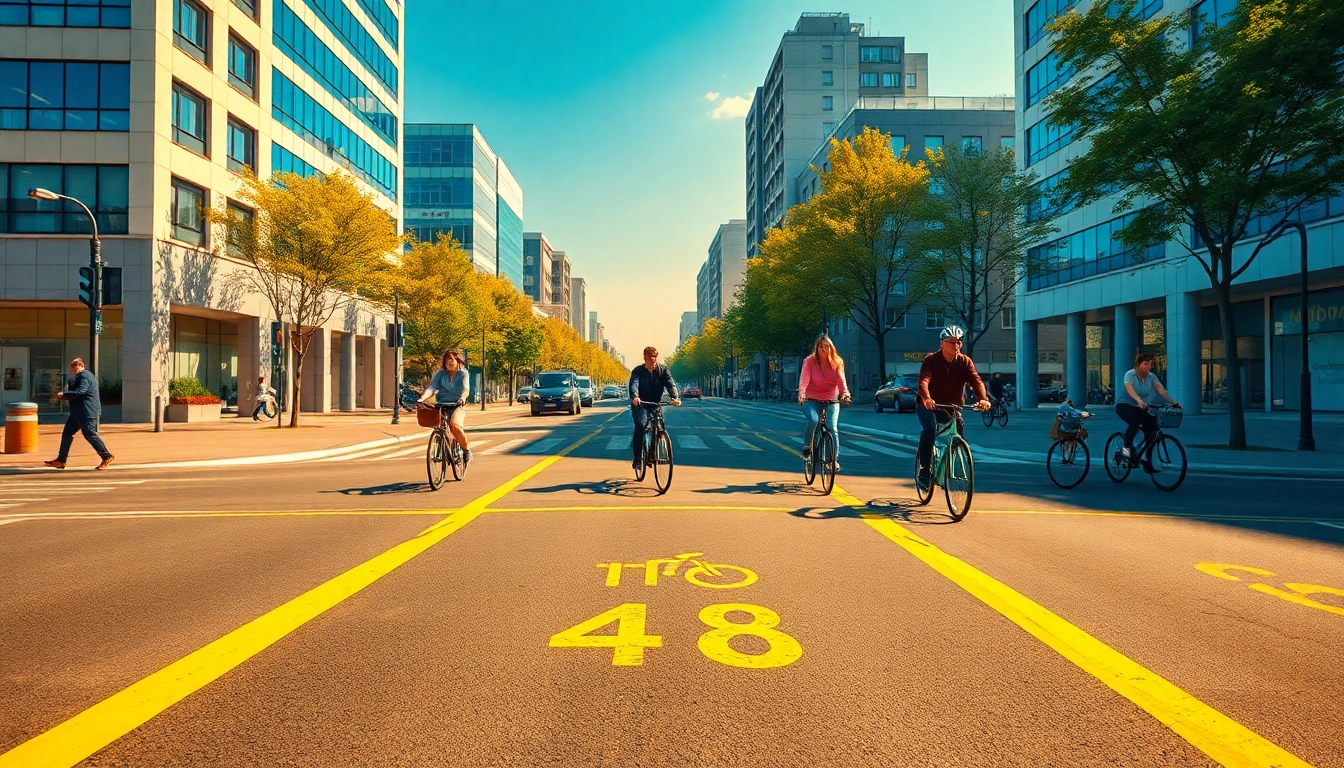
The IA +18 bicycle box is a designated area at intersections designed for the exclusive use of bicycles. This space is typically positioned in front of motor vehicles at traffic signals, allowing cyclists to move ahead of cars during stops. This approach not only enhances visibility for both cyclists and drivers but also contributes to safer and more fluid traffic dynamics. The primary purpose of these boxes is to make the presence of cyclists known, thereby reducing the risk of collisions during crucial moments like turns and lane changes.
Historical Context and Development of Bicycle Boxes
Bicycle boxes were first introduced in the early 2000s as urban planners began to recognize the need for dedicated cycling infrastructure. The IA +18 designation is part of a broader initiative to standardize traffic regulations surrounding bicycle use across various jurisdictions. Over time, extensive research and pilot programs have led to the evolution of best practices in their design and implementation, ensuring that these boxes are equipped to handle the complexities of urban traffic.
Benefits of Using IA +18 Bicycle Boxes in Urban Areas
- Improved Safety: By positioning cyclists in a visible location, the likelihood of accidents is significantly reduced.
- Increased Cycling Rates: The presence of bicycle boxes can encourage more people to cycle, knowing that they have safer pathways.
- Traffic Flow Optimization: Bicycle boxes help to smooth traffic patterns, allowing cyclists to clear intersections quickly and effectively.
- Environmental Benefits: By promoting cycling, cities can reduce their carbon footprint and reliance on motor vehicles.
Design Features of IA +18 Bicycle Boxes
Essential Markings and Signage for Safety
Effective implementation of IA +18 bicycle boxes requires clear markings and signage. These include painted boxes on the road, typically in green or white, accompanied by relevant traffic signals to indicate bicycle priority. Ensuring that these features are well-maintained and visible is essential for maximizing the safety and usability of these boxes.
Innovative Design Elements to Encourage Usage
Modern bicycle box designs incorporate several innovative elements aimed at enhancing cyclist experience. Features such as textured surface materials can signal to cyclists that they are entering a designated area, while advanced traffic light systems can provide countdowns specifically for cyclists. Additionally, public art installations near these boxes can promote awareness and encourage more community engagement with cycling.
Testing and Compliance with Safety Standards
Before the implementation of IA +18 bicycle boxes, they must undergo rigorous testing to ensure compliance with safety standards. This includes assessing their visibility, usability under different weather conditions, and interaction with vehicular traffic. Coordination with local transportation authorities is crucial to ensure that all installations meet national guidelines and local regulations.
Implementing the IA +18 Bicycle Box: Step-by-Step Guide
Assessing Intersection Needs and Traffic Patterns
The first step in implementing an IA +18 bicycle box is to conduct an in-depth analysis of current traffic patterns and cyclist needs at specific intersections. This often involves gathering data on traffic volume, accident reports, and existing cyclist behavior. Understanding where and how cyclists navigate intersections will guide effective placement and design of bicycle boxes.
Collaborating with Local Authorities and Stakeholders
Engagement with local authorities, including city planners and traffic engineers, is essential for successful implementation. This collaboration ensures that the needs and concerns of all road users are considered. Public outreach to gather input from local cyclists and community groups can also provide valuable insights into designing more effective bicycle infrastructure.
Best Practices for Installation and Maintenance
Following the initial planning and collaboration stages, the installation of IA +18 bicycle boxes should be conducted according to best practices. This includes using high-visibility materials, ensuring proper signage placement, and conducting community awareness campaigns post-installation. Regular maintenance checks are vital to keep the bicycle boxes in optimal condition.
Challenges and Solutions in Implementing IA +18 Bicycle Boxes
Common Misconceptions about Bicycle Boxes
One of the significant challenges in promoting IA +18 bicycle boxes is the prevalence of misconceptions surrounding their purpose. Some motorists may believe that these boxes are a hindrance to traffic flow, while others may underestimate the safety benefits they provide. Educational initiatives aimed at both cyclists and drivers can help address these misconceptions.
Addressing Concerns from Motorists and Cyclists
Concerns from both motorists and cyclists regarding the safety and functionality of the IA +18 bicycle boxes must be taken seriously. Implementing feedback loops where users can report their experiences can guide improvements. Additionally, regular forums can be established to facilitate open communication between road users and city officials.
Adapting to Local Regulations and Climate Factors
Each city may have different regulations and climate conditions that affect the design and effectiveness of bicycle boxes. For instance, cities prone to heavy snowfall may require modified designs to ensure that bicycle boxes remain clear of snow and ice during winter months. Understanding local contexts will support the creation of effective and user-friendly cycling infrastructure.
The Future of IA +18 Bicycle Boxes in Urban Planning
Trends in Sustainable Transportation for 2025 and Beyond
As urban areas continue to grow, the focus on sustainable transportation solutions will intensify. IA +18 bicycle boxes are likely to play a pivotal role in future urban planning strategies aimed at reducing carbon emissions and enhancing the cycling experience. The integration of bicycle boxes with pedestrian pathways and public transportation networks will be crucial in creating a holistic transportation ecosystem.
Role of Technology in Enhancing Bicycle Safety
Technology will increasingly contribute to the safety and efficiency of IA +18 bicycle boxes. Innovations such as smart traffic signals that adjust to real-time traffic conditions, mobile applications providing cyclists with navigation and traffic alerts, and even automated systems for reporting maintenance needs will enhance the functionality of these boxes.
Case Studies: Successful Implementations Across the Country
Several cities across the United States have already seen success with IA +18 bicycle boxes. For instance, cities like Portland and San Francisco have reported significant improvements in cyclist safety and increased usage of bicycle lanes after implementing these boxes. Documenting these case studies will provide valuable insights and a framework for other cities looking to adopt similar initiatives.