Understanding Outdoor Planters
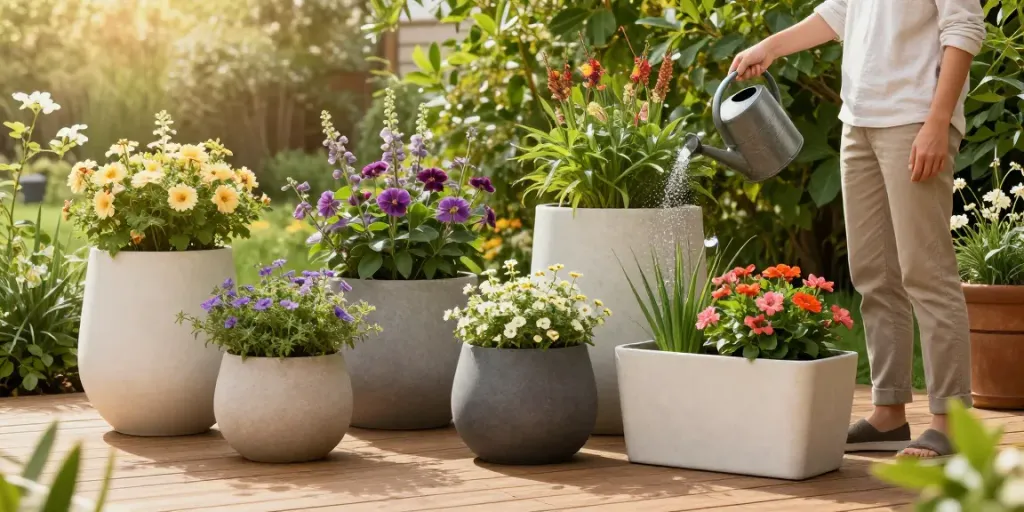
Outdoor planters serve not only as vessels for plant growth but also as essential elements that enhance the aesthetic appeal of gardens, patios, and other outdoor spaces. These versatile containers come in various styles, sizes, and materials, making them suitable for virtually any garden design. Whether you're aiming to cultivate a lush flower bed or create a minimalist display, understanding the nuances of outdoor planters can significantly impact your gardening success. When exploring options, idealistplanters.co.uk/catalogue/outdoor_planters/ provides comprehensive insights into available products that can transform your outdoor space.
What Are Outdoor Planters?
Outdoor planters are specially designed containers that hold soil and plants for exterior use. They come in various forms, ranging from traditional pots to modern, sculptural designs. The choice of planter can greatly affect the growth of plants, as factors such as size, drainage capability, and material all play a crucial role in the health of the plants contained within.
Types of Outdoor Planters Available
The market offers an extensive range of outdoor planters, each tailored for different gardening needs. Here are the most common types:
- Traditional Pots: These are the classic round or square containers, often made from clay or ceramic.
- Rectangular Planters: Ideal for growing herbs or vegetables, these planters maximize space and can be placed along pathways or patios.
- Trough Planters: Long and narrow, these planters are perfect for creating a striking floral display or for use with small shrubs.
- Vertical Planters: Space-saving options that allow you to grow multiple plants in a small footprint, ideal for balconies.
- Self-Watering Planters: Equipped with reservoirs to maintain consistent moisture, reducing the need for frequent watering.
Benefits of Using Outdoor Planters
Choosing outdoor planters brings a multitude of benefits:
- Enhanced Aesthetics: Planters add color, texture, and structure to outdoor spaces, making them visually appealing.
- Improved Plant Health: Planters can offer better drainage compared to garden beds, reducing the risk of root rot.
- Mobility: The ability to move planters allows for seasonal changes, helping maintain a fresh appearance throughout the year.
- Accessibility: Elevated planters can ease the strain on gardeners with mobility issues.
Choosing the Right Outdoor Planter
Selecting the right outdoor planter is crucial for ensuring the success of your gardening project. Here are some essential factors to take into account:
Essential Factors to Consider
When choosing outdoor planters, consider the following factors:
- Size: Select a size appropriate for the type of plants you wish to grow. A larger plant will need a correspondingly larger planter.
- Material: Common materials include plastic, ceramic, wood, and metal, each with its advantages and disadvantages.
- Drainage: Ensure that the planter has adequate drainage holes to prevent water accumulation, which can damage roots.
- Location: Consider where the planter will be placed, as exposure to sunlight and wind can affect plant growth.
Common Mistakes When Selecting Planters
Many gardeners make mistakes that hinder their outdoor gardening success. Here are some pitfalls to avoid:
- Ignoring size and depth, which can lead to stunted plant growth.
- Choosing decorative planters without drainage, risking root rot.
- Overloading planters with too many plants, leading to competition for nutrients.
Comparative Analysis of Different Materials
Understanding the differences in materials can also aid in making informed decisions:
- Plastic: Lightweight and affordable, but may not offer the best insulation for roots.
- Ceramic: Aesthetic and durable, though it can be heavy and prone to cracking in extreme temperatures.
- Wood: Offers a natural look but may require treatment to prevent decay.
- Metal: Sleek and modern, but can heat up quickly and may require insulation for plants.
Maintenance Tips for Outdoor Planters
Proper maintenance is essential for prolonging the life of your outdoor planters and ensuring plant health. Here are some best practices:
Best Practices to Ensure Longevity
To maintain your outdoor planters, consider these tips:
- Regularly clean planters to remove dirt and algae.
- Inspect for cracks and damage, especially in ceramic or wooden containers.
- Use a protective liner in wooden planters to prevent soil from rotting the wood.
Watering and Drainage Solutions
Effective watering practices are crucial in managing outdoor planters:
- Ensure that all planters have adequate drainage to prevent waterlogging.
- Consider self-watering options for consistent moisture levels.
- Use high-quality potting soil that retains moisture while allowing excess water to escape.
Seasonal Care for Your Planters
Planter maintenance changes with the seasons:
- In the spring, refresh the soil and check for pests before planting.
- During summer, monitor moisture levels, especially in hot weather.
- In fall, prepare planters for winter by insulating roots and removing dead foliage.
- In winter, protect planters from freezing temperatures, which can crack materials.
Common Challenges with Outdoor Planters
Even with the best preparations, gardeners can encounter challenges. Understanding these issues can help mitigate problems:
Pest and Disease Management
Outdoor planters can attract various pests and diseases. To combat these:
- Regularly inspect plants for any signs of pests, such as aphids or fungus gnats.
- Utilize organic pest control methods when necessary, like neem oil or insecticidal soap.
- Rotate plants annually to prevent soil-borne diseases.
Weather-Related Difficulties
Planters are exposed to varying weather conditions:
- Shield plants from harsh sun with shade cloth in the summer.
- Use frost cloths or brings pots indoors during extreme cold spells.
- Consider planter weight in windy conditions; heavier materials can prevent tipping.
Understanding Soil and Plant Compatibility
Using the right soil for each type of plant is vital:
- Some plants thrive in sandy soil while others prefer clay-based mixes.
- Consult specific plant needs to choose the correct potting soil.
- Regularly amend soil to ensure optimal nutrient levels and pH balance.
Future Trends in Outdoor Planters for 2026
The gardening industry is evolving, with numerous trends emerging regarding outdoor planters:
Sustainable Materials and Eco-Friendly Options
With growing environmental awareness, many are seeking sustainable planter solutions:
- Biodegradable planters made from coconut coir or recycled materials.
- Reclaimed wood planters that offer a rustic aesthetic.
- Materials with low carbon footprints, like bamboo and natural fibers.
Smart Planters: Technology Integration
Technology is making its way into gardening:
- Smart planters equipped with sensors to monitor moisture levels.
- Apps that provide reminders for watering and fertilizing.
- Integration of solar-powered features for lighting.
Design Innovations in the Planter Market
As tastes evolve, so do planter designs:
- Geometric and minimalist designs that appeal to contemporary aesthetics.
- Modular planters that allow customizable arrangements.
- Dual-purpose planters that incorporate seating or storage.
What types of outdoor planters are best for small spaces?
For small spaces, vertical planters, railing planters, and self-watering containers are ideal, as they maximize the use of limited area without sacrificing plant variety.
How do I prevent my outdoor planters from blowing over?
To prevent planters from toppling, use heavier materials, anchor them against walls, or consider stacking small planters rather than using large, single units.
What is the best soil for outdoor planters?
The best soil varies by plant type; however, a high-quality potting mix with good aeration, drainage, and nutrient content generally works best for most outdoor planters.
Are there specific plants that thrive better in outdoor planters?
Plants such as geraniums, petunias, and herbs like basil and mint typically do well in outdoor planters, as they require less root space and can thrive in contained environments.
How can I keep my outdoor planters looking fresh year-round?
To maintain a fresh appearance, rotate seasonal plants, utilize evergreen varieties, and ensure regular maintenance, including cleaning and soil health checks.