What Makes Salmorejo Special?
If you are on the lookout for the best salmorejo near me, you are likely indulging in the delightful taste of this Andalusian dish that has captured the hearts of food lovers worldwide. Salmorejo is not just any cold soup; it is a creamy, velvety blend that reflects the culinary richness of Spain’s Córdoba region. This dish shines through its simplicity, which is enhanced by quality ingredients, making it one of the best-kept secrets of Spanish gastronomy.
Origin and Cultural Significance
Salmorejo originated in the southern Spanish region of Andalusia, particularly in Córdoba, where its roots can be traced back to humble beginnings. Traditionally, this dish was made by farmers to utilize ripe tomatoes and day-old bread, ensuring nothing went to waste. Its creamy texture and rich flavor are a testament to the region’s agricultural abundance, celebrating the use of fresh, local produce. Over time, salmorejo has evolved from a peasant dish to a gourmet experience found in esteemed restaurants, showcasing its cultural significance within Spanish cuisine.
Key Ingredients that Distinguish Salmorejo
The key ingredients of salmorejo include high-quality ripe tomatoes, stale bread, extra virgin olive oil, garlic, and a hint of sherry vinegar. Each component plays a crucial role in the final flavor profile:
- Tomatoes: The foundation of salmorejo, tomatoes provide vibrant color and natural sweetness.
- Bread: Unlike gazpacho, which uses more vegetables, salmorejo relies heavily on stale bread for its rich texture.
- Extra Virgin Olive Oil: This ingredient adds a luxurious texture and enhances the overall flavor.
- Garlic: A touch of garlic lends a subtle bite and depth to the soup.
- Sherry Vinegar: This adds a necessary acidity, balancing the richness of the other ingredients.
Salmorejo vs. Gazpacho: Understanding the Difference
Many people confuse salmorejo with its more famous cousin, gazpacho. While both are cold soups popular in Spain, they differ significantly in texture and ingredients:
- Texture: Salmorejo is thick and creamy, resembling a mousse, due to the higher bread content, whereas gazpacho is thinner and chunkier.
- Ingredients: Gazpacho typically includes a variety of vegetables such as peppers and cucumbers, while salmorejo focuses primarily on tomatoes and bread.
- Toppings: Salmorejo is traditionally garnished with hard-boiled eggs and jamón serrano, while gazpacho may be topped with croutons and diced vegetables.
How to Find the Best Salmorejo Near Me
Finding authentic salmorejo can be a delightful quest for food lovers. As you seek out places known for this dish, it’s essential to know what to look for and where to go. Here are some strategies to help you locate the best options:
Identifying Authentic Spanish Restaurants
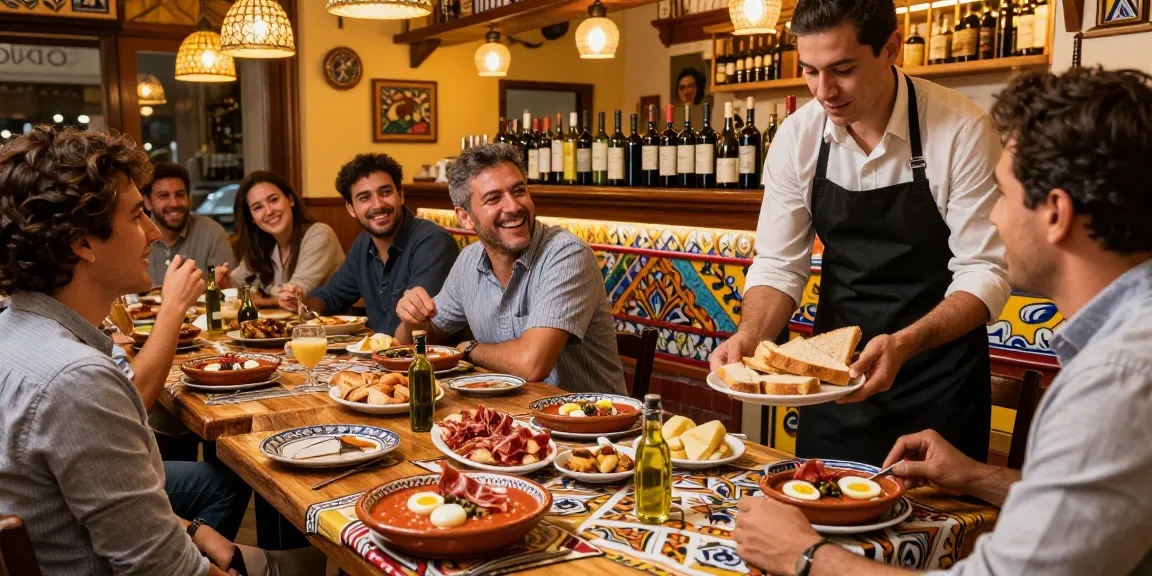
When searching for the best salmorejo, start by identifying restaurants that specialize in Spanish cuisine. Look for establishments with chefs who are native to Spain or have studied traditional Andalusian culinary techniques. Authentic Spanish tapas bars are often the best places to find this dish since they understand the essence of Spanish flavors.
Utilizing Food Delivery Apps Efficiently
Many food delivery apps now feature extensive menus from local restaurants. Using these platforms can help you find restaurants offering salmorejo as part of their menu. Read the reviews and check the ratings for authenticity. Often, you can gauge whether a restaurant serves high-quality salmorejo based on customer feedback.
Reading Reviews and Recommendations
Online reviews and food blogs can provide invaluable insights into where to find authentic salmorejo. Websites like Yelp and TripAdvisor often have user-generated content that may highlight hidden gems in your area. Pay attention to recurring mentions of salmorejo, as these can point you towards highly recommended spots.
Top Rated Spanish Spots Known for Authentic Salmorejo
As the popularity of salmorejo grows, many restaurants across the USA have started to serve this classic dish. Here are some top-rated Spanish restaurants known for their authentic salmorejo:
Trending Restaurants to Try in 2026
- La Bodega: Located in New York City, this spot is known for its traditional tapas and fresh salmorejo that captures the essence of Andalusian cooking.
- Taberna de Haro: This restaurant in San Francisco specializes in classic Spanish dishes and offers a creamy salmorejo that’s a crowd favorite.
- Casa Mono: Situated in Manhattan, this Michelin-starred restaurant shines with its modern take on Spanish cuisine, including a delightful salmorejo.
Local Favorites and Hidden Gems
Beyond the well-known establishments, there are local favorites that serve up exceptional salmorejo:
- El Tapeo: A beloved neighborhood spot that has been crafting its salmorejo recipe for decades.
- Bar Olé: This charming tapas bar is celebrated for its authentic Spanish dishes and welcoming ambiance.
Culinary Awards and Recognitions
Many restaurants offering salmorejo have garnered awards for their culinary excellence. Look for places that have been recognized by local food critics or have received culinary awards as a testament to their commitment to quality and tradition.
How to Make Authentic Salmorejo at Home (Step-by-Step)
If you can’t find a restaurant serving salmorejo nearby, why not make it at home? Here’s a step-by-step guide to creating an authentic version of this delicious dish:
Essential Ingredients and Tools Required
- Ingredients:
- 4 ripe tomatoes
- 1 cup stale bread
- 1/2 cup extra virgin olive oil
- 1 clove garlic
- 2 tablespoons sherry vinegar
- Salt to taste
- Hard-boiled eggs, diced (for garnish)
- Jamón serrano, diced (for garnish)
- Tools: Blender, mixing bowl, knife, and measuring cups.
Step-by-Step Preparation Guide
- Start by washing the tomatoes and cutting them into quarters.
- In a blender, combine the tomatoes, stale bread, garlic, and a pinch of salt.
- Blend the mixture until smooth, then slowly drizzle in the olive oil while blending continuously. This emulsifies the ingredients, giving salmorejo its creamy texture.
- Stir in the sherry vinegar and adjust the seasoning as necessary.
- Chill the soup in the refrigerator for at least an hour before serving.
- Serve cold, garnished with diced hard-boiled eggs and jamón serrano.
Common Mistakes to Avoid for the Perfect Texture
- Using under-ripe tomatoes: Always choose ripe, high-quality tomatoes for the best flavor.
- Over-blending: Blend just until smooth to avoid turning the mixture too thin.
- Neglecting the emulsification: Add olive oil slowly to ensure a creamy texture.
Frequently Asked Questions (FAQs)
Is salmorejo the same as gazpacho?
No, salmorejo is thicker, creamier, and uses more bread, whereas gazpacho is lighter and contains more vegetables like peppers and cucumber.
Why is my salmorejo not creamy?
The secret to creaminess lies in the emulsification of the olive oil and the quality of the bread. Make sure to use enough high-quality extra virgin olive oil and blend slowly for the best results.
Can I make salmorejo vegan?
Yes. Simply omit the ham and egg toppings. You can substitute with diced green apples, toasted almonds, or a drizzle of high-quality olive oil for extra flavor.
How can I enhance the flavor of my salmorejo?
Consider adding a pinch of smoked paprika or fresh herbs like basil for an extra layer of flavor. The use of high-quality ingredients is key to elevating the taste.
What toppings pair best with salmorejo?
Traditional toppings include finely diced hard-boiled eggs and jamón serrano, but you can also experiment with other options like croutons, fresh herbs, or even diced avocado for a modern twist.
Conclusion
Finding the best salmorejo near me is a delightful culinary adventure that can bring the rich flavors of Spanish cuisine right to your table. Whether you opt to visit a local tapas bar or embrace the challenge of making this creamy soup at home, the experience promises to be rewarding. Salmorejo is a testament to the beauty of simple, fresh ingredients and reflects the cultural heritage of Andalusia, making it a dish worth savoring.